From Dr Deb

Insights from the modern TCM Doctor.

Insights from the modern TCM Doctor.

No spam, unsubscribe anytime.

When the Game World Is the Only Safe Place: A Chinese Medicine Lens on Gaming + Confidence

Feb 11, 2026

Feb 11, 2026


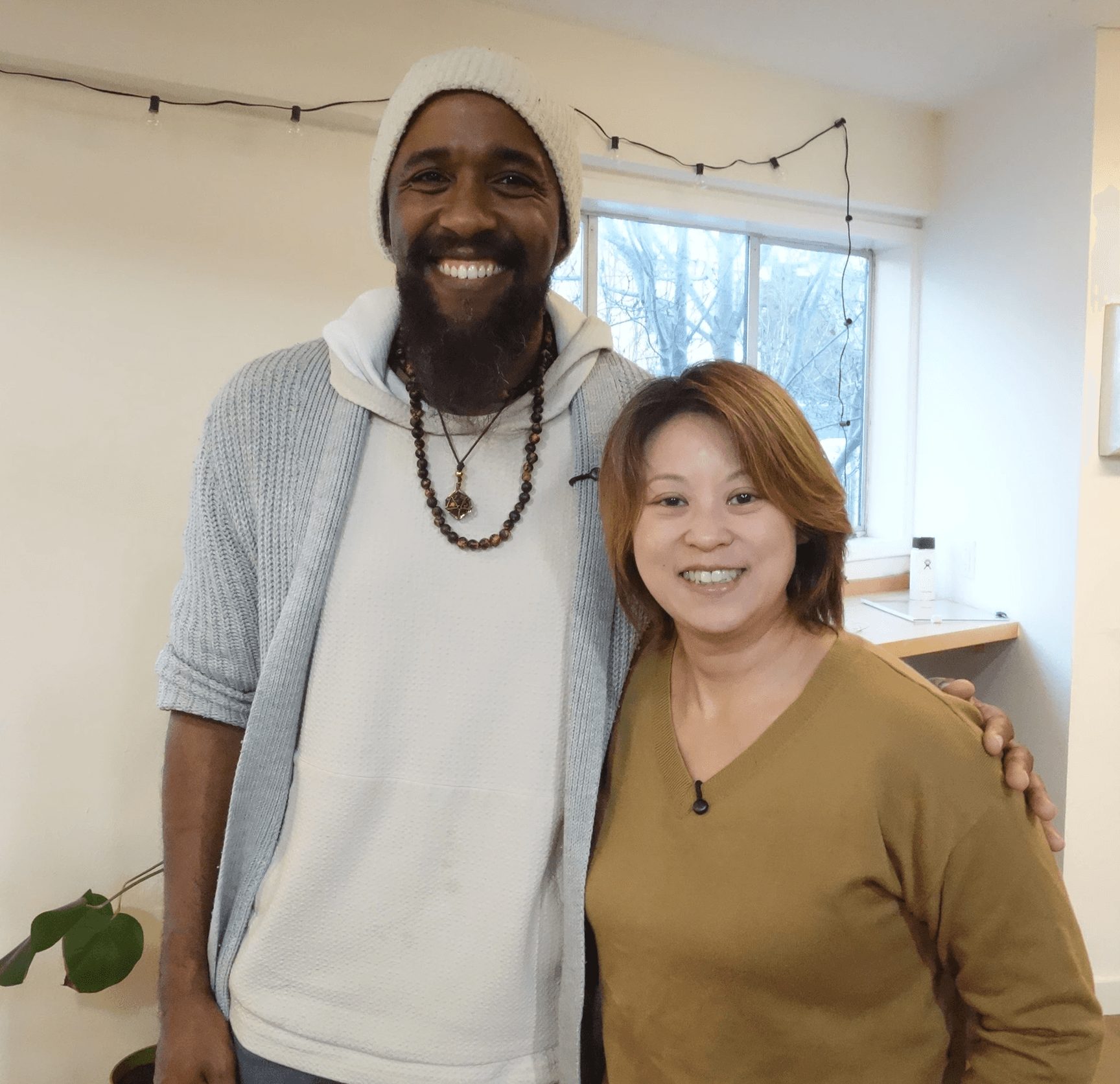
A lot of people still talk about gaming like it’s “wasted time.” But in a recent conversation on the Puzzle Exchange Podcast, something landed hard for me:

For some gamers, the game world isn’t the problem — it’s the only place they feel safe.

In real life, they may feel judged, misunderstood, or constantly “not measuring up.” But in games, there are clear rules, a sense of control, and a chance to try again after failure — a built-in permission to learn.

Why games can feel safer than real life

Therapist Sekayi Edwards shared that many of the gamers he works with don’t necessarily lack strength — they’re often strong in the game world, and the pain comes from how little that strength is seen or valued elsewhere.

Games can offer structure, agency feedback, repair.

And importantly: many games are designed to teach you as you go — they show you what skills you’re missing, then give you a path to build them. Real life often doesn’t.

“Learn their language”: gaming as culture

One of my favorite moments from the conversation: the idea that gaming isn’t just a hobby — it’s a culture, with its own language. Sekayi even runs workshops for parents to understand that culture so they can actually engage with what their kids are showing them.

As an acupuncturist, I see a parallel: healing starts when we stop forcing someone to speak our language, and start listening for theirs.

Sometimes the most regulating thing you can say to a gamer isn’t “play less.”
It’s: “Show me your world.”
The Chinese medicine view: safety regulates Qi

In Chinese medicine, we don’t separate “mind” and “body” the way modern culture often does.

When someone feels chronically unsafe — judged, on edge, bracing for criticism — it doesn’t just stay in their head. It shows up as patterns like:

- restless sleep, vivid dreams
- tension headaches / neck and shoulder tightness
- digestive sensitivity (especially under stress)
- chest tightness, sighing, irritability
- fatigue that doesn’t fix itself with rest

In TCM language, you’ll often hear concepts like:

- Shen (spirit/mental-emotional stability; often discussed through the Heart system)
- Liver Qi (flow, flexibility, frustration when “stuck”)
- Spleen Qi (digestion + overthinking loops)

Here’s the bridge:
If the game world is where someone’s nervous system finally gets a sense of structure + agency, their body may soften there for the first time all day. That “softening” matters. Regulation is not laziness — it’s biology.

When gaming helps… and when it backfires

Gaming can be a confidence builder. It can also become a survival strategy that accidentally shrinks life.

A gentle way to tell the difference is to ask:

After gaming, do you feel more resourced — or more depleted?

Sekayi talked about how games can build “resources” (skills and supports) that help people handle stress, and how role-play can become a safe way to practice growth.

That’s the sweet spot: the game becomes training — not hiding.

A “mini-quest” I give gamers in clinic

If you’re a gamer (or love one), here’s a simple practice that blends gamer logic with body awareness:

The 90-second Reset (between matches / after a loss):

- Drop your shoulders and unclench your jaw.
- Put one hand on your chest, one on your belly.
- Inhale 4 seconds, exhale 6 seconds — repeat 5 times.
- Ask: Where is the tension? What does it need?
warmth? movement? water? a snack? a short walk?

It’s small — but it trains your body to come back online.

If you want an acupressure add-on (gentle, not medical advice):

- Yintang (between the eyebrows) for mental settling
- Pericardium 6 (inner wrist, three finger-widths below the crease) for stress + chest tightness
- Large Intestine 4 (between thumb/index) for tension — avoid if pregnant

For parents: don’t “rage-quit” the relationship

If gaming is creating conflict at home, consider this reframe from the conversation: both sides often want the same thing — confidence, connection, a kid who thrives — but they don’t know how to communicate across worlds.

Try these instead of lectures:

- “What makes you feel good about playing this game?”
- “Who do you wish to be in the game? Why?”
- "What would your character do if they …?"

You don’t have to get it perfectly. The willingness to try is huge.

A closing thought from the Bay

I love living in Silicon Valley / San Francisco for this reason: you meet healers who take people seriously — including the parts of them that mainstream culture labels “weird.”

If you’re in San Francisco and you’re curious about supporting your nervous system through acupuncture — especially around stress, sleep, digestion, or tension patterns that show up alongside intense screen time — I’d love to meet you.

And if you’re also exploring therapy modalities that speak “gaming,” Sekayi’s work is a beautiful reminder that healing can be creative, strength-based, and culturally fluent.


A lot of people still talk about gaming like it’s “wasted time.” But in a recent conversation on the Puzzle Exchange Podcast, something landed hard for me:

For some gamers, the game world isn’t the problem — it’s the only place they feel safe.

In real life, they may feel judged, misunderstood, or constantly “not measuring up.” But in games, there are clear rules, a sense of control, and a chance to try again after failure — a built-in permission to learn.

Why games can feel safer than real life

Therapist Sekayi Edwards shared that many of the gamers he works with don’t necessarily lack strength — they’re often strong in the game world, and the pain comes from how little that strength is seen or valued elsewhere.

Games can offer structure, agency feedback, repair.

And importantly: many games are designed to teach you as you go — they show you what skills you’re missing, then give you a path to build them. Real life often doesn’t.

“Learn their language”: gaming as culture

One of my favorite moments from the conversation: the idea that gaming isn’t just a hobby — it’s a culture, with its own language. Sekayi even runs workshops for parents to understand that culture so they can actually engage with what their kids are showing them.

As an acupuncturist, I see a parallel: healing starts when we stop forcing someone to speak our language, and start listening for theirs.

Sometimes the most regulating thing you can say to a gamer isn’t “play less.”
It’s: “Show me your world.”

The Chinese medicine view: safety regulates Qi

In Chinese medicine, we don’t separate “mind” and “body” the way modern culture often does.

When someone feels chronically unsafe — judged, on edge, bracing for criticism — it doesn’t just stay in their head. It shows up as patterns like:

- restless sleep, vivid dreams
- tension headaches / neck and shoulder tightness
- digestive sensitivity (especially under stress)
- chest tightness, sighing, irritability
- fatigue that doesn’t fix itself with rest

In TCM language, you’ll often hear concepts like:

- Shen (spirit/mental-emotional stability; often discussed through the Heart system)
- Liver Qi (flow, flexibility, frustration when “stuck”)
- Spleen Qi (digestion + overthinking loops)

Here’s the bridge:
If the game world is where someone’s nervous system finally gets a sense of structure + agency, their body may soften there for the first time all day. That “softening” matters. Regulation is not laziness — it’s biology.

When gaming helps… and when it backfires

Gaming can be a confidence builder. It can also become a survival strategy that accidentally shrinks life.

A gentle way to tell the difference is to ask:

After gaming, do you feel more resourced — or more depleted?

Sekayi talked about how games can build “resources” (skills and supports) that help people handle stress, and how role-play can become a safe way to practice growth.

That’s the sweet spot: the game becomes training — not hiding.

A “mini-quest” I give gamers in clinic

If you’re a gamer (or love one), here’s a simple practice that blends gamer logic with body awareness:

The 90-second Reset (between matches / after a loss):

- Drop your shoulders and unclench your jaw.
- Put one hand on your chest, one on your belly.
- Inhale 4 seconds, exhale 6 seconds — repeat 5 times.
- Ask: Where is the tension? What does it need?
warmth? movement? water? a snack? a short walk?

It’s small — but it trains your body to come back online.

If you want an acupressure add-on (gentle, not medical advice):

- Yintang (between the eyebrows) for mental settling
- Pericardium 6 (inner wrist, three finger-widths below the crease) for stress + chest tightness
- Large Intestine 4 (between thumb/index) for tension — avoid if pregnant

For parents: don’t “rage-quit” the relationship

If gaming is creating conflict at home, consider this reframe from the conversation: both sides often want the same thing — confidence, connection, a kid who thrives — but they don’t know how to communicate across worlds.

Try these instead of lectures:

- “What makes you feel good about playing this game?”
- “Who do you wish to be in the game? Why?”
- "What would your character do if they …?"

You don’t have to get it perfectly. The willingness to try is huge.

A closing thought from the Bay

I love living in Silicon Valley / San Francisco for this reason: you meet healers who take people seriously — including the parts of them that mainstream culture labels “weird.”

If you’re in San Francisco and you’re curious about supporting your nervous system through acupuncture — especially around stress, sleep, digestion, or tension patterns that show up alongside intense screen time — I’d love to meet you.

And if you’re also exploring therapy modalities that speak “gaming,” Sekayi’s work is a beautiful reminder that healing can be creative, strength-based, and culturally fluent.


From Dr Deb

Insights from the modern TCM Doctor.

Insights from the modern TCM Doctor.

No spam, unsubscribe anytime.

BG

9am - 6pm, Mon, Tue, Wed, Thu, Sat

(415) 745-2789

hello@puzzlesf.com

BG

9am - 6pm, Mon, Tue, Wed, Thu, Sat

(415) 745-2789

hello@puzzlesf.com

BG

9am - 6pm

Mon, Tue, Wed, Thu, Sat

(415) 745-2789

hello@puzzlesf.com

logo
Icon
Icon
Icon
Icon

1640 Valencia St, San Francisco

© 2026 Puzzle Acupuncture. All rights reserved

logo
Icon
Icon
Icon
Icon

1640 Valencia St, San Francisco

© 2026 Puzzle Acupuncture. All rights reserved

logo
Icon
Icon
Icon
Icon

1640 Valencia St, San Francisco

© 2026 Puzzle Acupuncture. All rights reserved