I’m Dr. Deb, an acupuncturist at Puzzle Acupuncture.
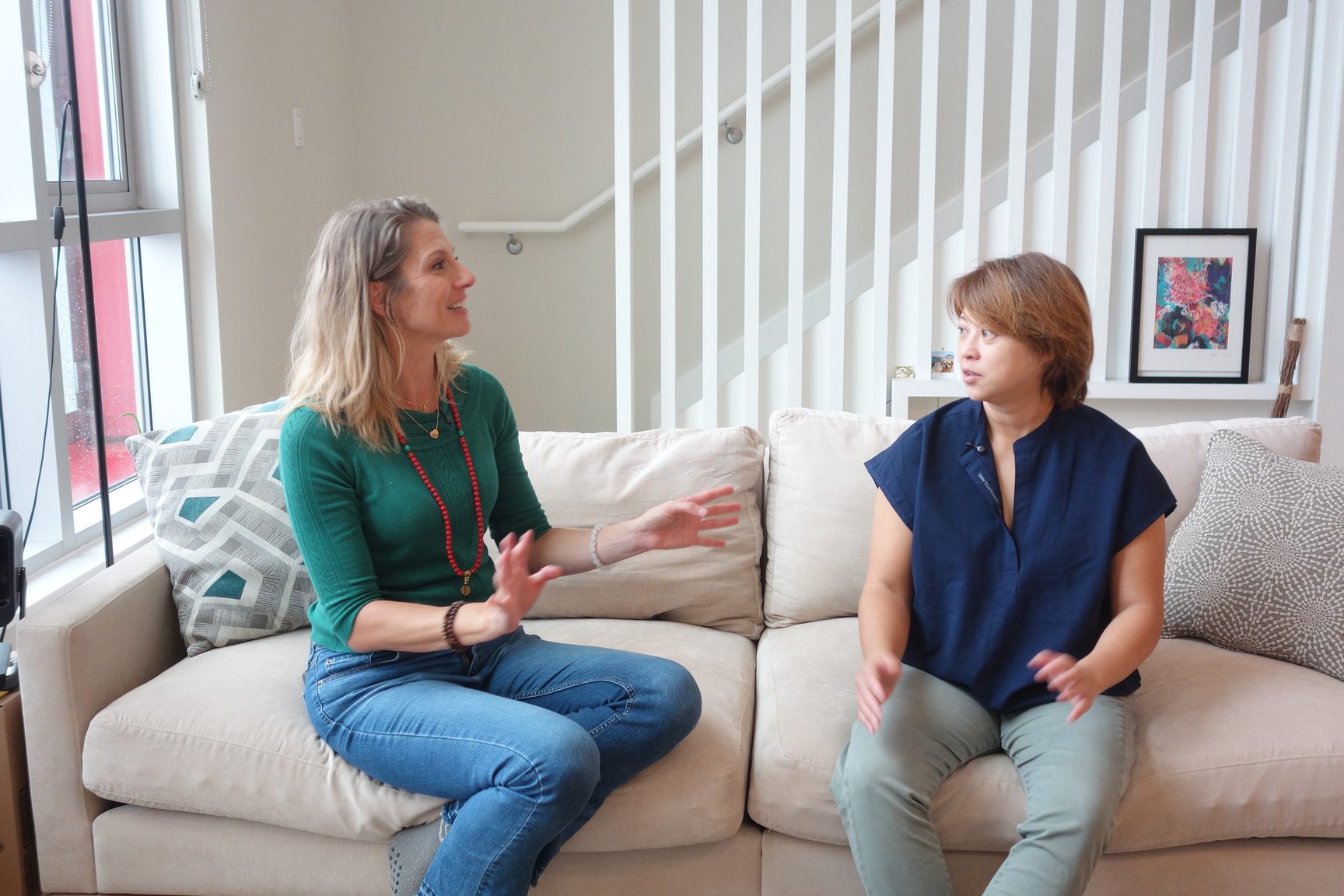
Recently I recorded a conversation + cross-treatment session with Belinda Hanart, a foot reflexologist and massage therapist from Wellify.
What stood out wasn’t the “mystique.” It was how gentle and methodical both modalities can be—and how often they’re trying to solve the same problem from different angles:
Downshift the nervous system.
Reduce pain signals.
Help the body return to regulation.
Belinda said something that landed deeply:
“Foot reflexology… allows you to treat what you are experiencing right now without having to put it into words.”
I see the same thing in acupuncture. Sometimes the body tells the story before the mind is ready to narrate it.
Let's have a clear look at:
what acupuncture and reflexology each are
where they overlap (and where they don’t)
what research actually supports
how I think about combining them in real life
The simple definition
Acupuncture (what it is)
Acupuncture is a regulated medical-style intervention that uses very thin needles to stimulate specific points—often to address pain, function, and nervous-system regulation. It’s widely used for chronic pain, and major clinical guidelines include it as an early option for certain pain conditions.
Reflexology (what it is)
Reflexology is a hands-on therapy that applies pressure to areas of the feet (and sometimes hands/ears). Some reflexology traditions map “zones” on the foot to body areas. The National Center for Complementary and Integrative Health (NCCIH) describes reflexology as pressure-based work on the feet/hands with the goal of affecting other parts of the body, while noting that evidence varies by condition.
My translation:
acupuncture = precise sensory input (needle) with dose control
reflexology = sustained sensory input (pressure + touch) with strong relaxation effects
Where they truly overlap: “somatic input → nervous system output”
Belinda said something I love: “The feet are like a book.”
In reflexology, the “book” is read through zones and textures (tenderness, “sandiness,” tension, temperature, skin tone), then interpreted through both medical and emotional lenses.
In acupuncture, we also use a “map”—but ours is meridians + points, plus palpation, pulse/tongue, and pattern differentiation.
Both practices deliver structured sensation to the body—then watch what happens:
pain perception shifts
muscle tone changes
breathing deepens
sleep improves
emotions surface (or soften)
This is not “either it’s magic or it’s fake.”
A more useful frame is: how does sensory input change the brain + autonomic nervous system?
Local test booking. No email is sent.
15-minute Strategy Session
Not sure acupuncture is right for you?
What’s included
- Discuss your health concerns and goals
- Address any questions before committing to your first appointment
- We'll determine the best approach
“She's the first doctor that made me feel human and not like just another nameless number.”
GC, on Zocdoc
Next available
Loading available times…
Pacific time. No payment is taken online.
See other times
Pick a time
Times in Pacific time (San Francisco).
The practical difference (what you feel in session)
Here’s a grounded comparison:
| Dimension | Acupuncture | Foot Reflexology |
|---|---|---|
| Input | needle stimulation (often brief, precise) | sustained pressure + touch (often continuous) |
| Session feel | “something is happening” / subtle shifts; sometimes quick change in ROM or pain | deeply calming; nervous-system settling; often introspective |
| Best for (common patterns) | pain, mobility restrictions, headaches/migraines, stress physiology, sleep patterns | sleep support, stress/anxiety support, calming the body; evidence suggests short-term vitals shift |
| What’s hard to separate | ritual/context effects vs point-specific effects | touch/time/attention vs “zone mapping” claims |
| My honest take | strong evidence base for chronic pain; mechanism research exists | promising for relaxation + sleep; quality varies; still clinically meaningful |
My working hypothesis (human + data-driven):
Different traditions built different maps, but they may be “touching” overlapping neurophysiology—especially through the feet, which are powerful sensory portals into the nervous system.
A practical collaboration protocol
If you’re “wired but tired” (stress + shallow sleep + racing mind):
Reflexology → acupuncture (same day or next day)
If you’re in a pain flare (guarding, limited range of motion):
Acupuncture → reflexology (to settle and help you sleep)
If you’re emotionally tender and words feel hard:
Reflexology first (Belinda’s approach of “the body can speak without words” is real medicine to me.)
Example themes we can coordinate around:
Sleep maintenance insomnia (fall asleep fine, wake up 2–3am)
Neck/shoulder tension + jaw tightness
Digestive stress + “overthinking” loop
Reflexology helps the system downshift; acupuncture adds specificity and direction.
Closing
Belinda said something that stayed with me: grief doesn’t have to be sad—sometimes it’s simply the body saying goodbye so it can say hello to what’s next.
That’s what I love about combining reflexology and acupuncture.
One helps you arrive. The other helps you change.
If you’re curious about a collaborative plan (acupuncture + reflexology) for sleep, stress patterns, or pain management, that’s exactly the kind of care I like to build at Puzzle Acupuncture.
If you’re curious which approach fits your body right now, I’m happy to help you choose.
You can book a session or a short consult via puzzlesf.com.