From Dr Deb
Insights from the modern TCM Doctor.
Insights from the modern TCM Doctor.
No spam, unsubscribe anytime.
FSN Needling in San Francisco | Reset for tight muscles & chronic pain with Fu’s Subcutaneous Needling
If you’ve tried stretching, massage, or even regular acupuncture, and the tightness keeps coming back, FSN (Fu’s Subcutaneous Needling) may be a great next step. It’s a modern needling method designed to release tightened muscles and trigger-point patterns through gentle stimulation in the subcutaneous layer (just under the skin), combined with guided movement to “retrain” the tissue and nervous system.
1) What is FSN needling?
FSN (Fu’s Subcutaneous Needling) is a modern acupuncture-style technique developed in China (mid-1990s) that focuses on muscle-related pain and dysfunction by working primarily in the subcutaneous tissue, rather than inserting deeply into muscle. The needle is placed superficially, then gently “swept/swayed” side-to-side, and the practitioner guides specific movements to help the targeted muscle groups let go.
What makes FSN unique is its clinical focus on:
- Tightened muscles / trigger-point related tension
- Rapid change in pain + range of motion for many people
- A simple, repeatable protocol (assessment → needling → movement → re-test)
Research reviews describe FSN as a non-pharmacological option studied most heavily for musculoskeletal pain.
2) What conditions can FSN help with?
FSN is most commonly used for muscle and soft-tissue pain patterns, especially when symptoms are linked to tightness, trigger points, overuse, posture, training load, or stress-related guarding.
Common reasons people seek FSN:
- Neck & shoulder tightness (tech neck, trapezius/levator tension)
- Low back pain (especially chronic non-specific LBP)
- Hip / glute tightness, piriformis-type patterns
- Knee pain (including osteoarthritis pain patterns)
- Elbow/wrist overuse (tennis elbow-style patterns)
- Calf/foot tension (plantar-fascia-like tension patterns)
- Range-of-motion restrictions after strain/overload
- Chronic pain, migraine and large-area tightness
What does the evidence say (high level)?
- Chronic non-specific low back pain: RCTs report improvements in pain and function; one trial found FSN outperformed massage across multiple outcomes with long-term follow-up. PubMed
- FSN vs. traditional acupuncture (LBP): a randomized trial reported FSN showed better pain and functional outcomes vs traditional acupuncture in that study population. ScienceDirect
- Knee osteoarthritis pain: FSN has been discussed and studied as a technique that stimulates primarily the subcutaneous area for musculoskeletal pain conditions. PubMed
- Lumbar disc herniation (LDH): a 2025 systematic review/meta-analysis reported FSN had advantages in outcomes vs controls, while noting the need for higher-quality trials. Frontiers
3) What to expect during FSN treatment (and how it differs from “normal acupuncture”)
If you’ve done traditional acupuncture before, FSN will feel different in two big ways:
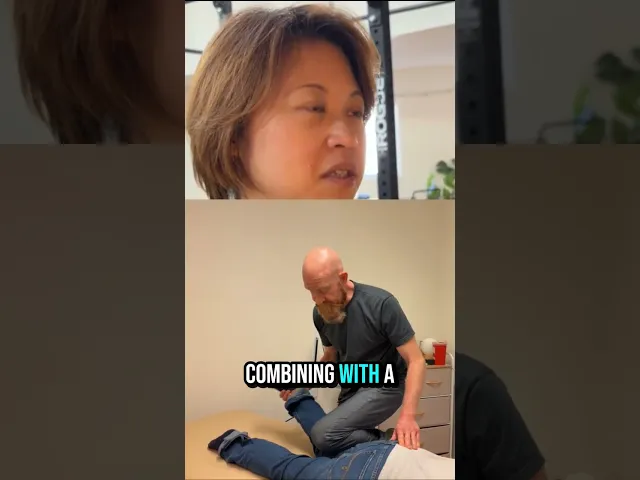
A) Fewer needles + superficial placement
FSN typically uses one or two needles placed just under the skin (subcutaneous layer), often not directly at the painful spot, but in a nearby area linked to the tightened muscle pattern.
B) You move with your practitioner
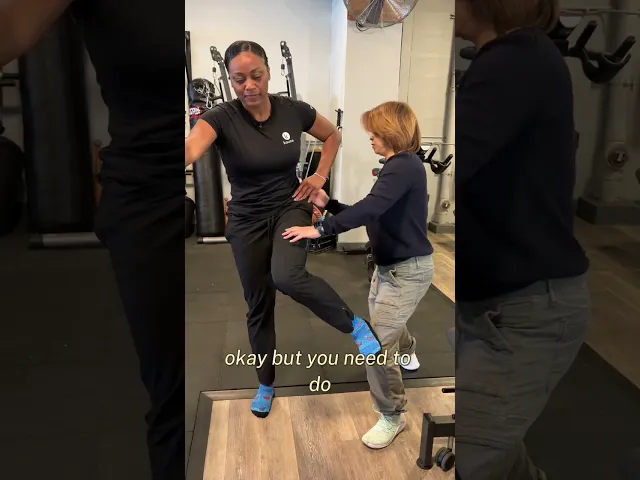
Traditional acupuncture often involves resting quietly while needles stay in place. FSN is more interactive: you and the practitioner work together. The practitioner gently manipulates the needle while guiding you through specific, simple movements to activate the targeted muscle group—often immediately re-checking your pain and mobility after a short sequence.
A typical FSN session at Puzzle Acupuncture look like:
Quick assessment + movement test (what hurts, what feels restricted)
Palpation to identify tightened muscles/trigger-point patterns
FSN needle placement (brief sensation—usually a small pinch/pressure)
Gentle needle “sway/sweep” manipulation
Guided movement (you’ll actively move/contract in a specific way)
Re-test pain + range of motion
Aftercare plan (hydration, light movement, simple homework if helpful)
Sensation & downtime
Most people describe FSN as less “sharp” than deep needling, because it stays superficial. Some people feel:
- light pressure, warmth, or “release”
- temporary soreness similar to post-massage
- noticeable change in mobility right away
4) Success cases
Because every body is different, results vary—but here are common patterns FSN is used for, alongside what research has studied.
Case 1: “Desk-shoulders” neck tension + headaches
Case 1: tight upper traps/levator, limited neck rotation, stress holding.
Goal: reduce muscle guarding + improve ROM so the neck isn’t constantly “bracing.”
Research reviews discuss FSN across neck/shoulder-related musculoskeletal conditions and note generally mild, rare side effects.
Case 2: Chronic low back pain that keeps returning
Case 2: flare-ups with sitting, travel, lifting; stiffness and fear of movement.
FSN focus: release tightened muscle patterns and reintroduce movement safely.
Randomized trials report improvements in pain and function, including studies comparing FSN to massage and to traditional acupuncture.
Case 3: Knee pain + tight quads/calf chain
Case 3: knee feels “compressed,” stairs hurt, surrounding muscles overwork.
FSN focus: reduce tension in the chain that loads the knee.
FSN has been studied and discussed in the context of knee osteoarthritis pain and musculoskeletal conditions.
In clinic, we’ll always assess whether FSN is the best fit—or whether another approach (traditional acupuncture, cheek acupuncture, cupping, gua sha, manual therapy, exercise rehab, or referral) is more appropriate.
5) Testimonials
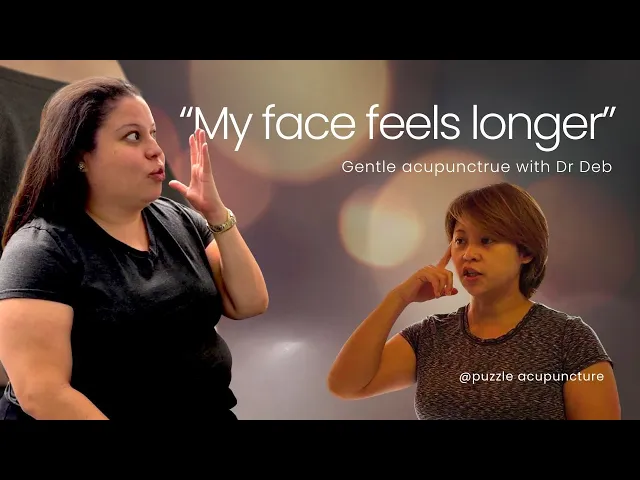
“I came in with sharp shoulder pain and couldn’t lift my arm comfortably. After the FSN session, my range of motion changed immediately. It stayed better over the next few days.”
“This felt different from regular acupuncture, in a good way. The movement part made it click. My back felt ‘unlocked’ when I stood up.”
“I’ve tried massage and stretching for months. FSN was the first thing that gave me noticeable relief in one session.”
“I was nervous about needles, but it was surprisingly gentle. Mild soreness after, then I felt looser and slept better that night.”
6) Ready to try FSN?
If you’re dealing with:
- stubborn tightness that keeps coming back
- pain that feels muscular / trigger-point related
- limited range of motion
- stress-related bracing in the body
…FSN may be a great fit.
Book an appointment on with us. We’ll confirm whether FSN is appropriate for your body and goals during your first visit.
If you’ve tried stretching, massage, or even regular acupuncture, and the tightness keeps coming back, FSN (Fu’s Subcutaneous Needling) may be a great next step. It’s a modern needling method designed to release tightened muscles and trigger-point patterns through gentle stimulation in the subcutaneous layer (just under the skin), combined with guided movement to “retrain” the tissue and nervous system.
1) What is FSN needling?
FSN (Fu’s Subcutaneous Needling) is a modern acupuncture-style technique developed in China (mid-1990s) that focuses on muscle-related pain and dysfunction by working primarily in the subcutaneous tissue, rather than inserting deeply into muscle. The needle is placed superficially, then gently “swept/swayed” side-to-side, and the practitioner guides specific movements to help the targeted muscle groups let go.
What makes FSN unique is its clinical focus on:
- Tightened muscles / trigger-point related tension
- Rapid change in pain + range of motion for many people
- A simple, repeatable protocol (assessment → needling → movement → re-test)
Research reviews describe FSN as a non-pharmacological option studied most heavily for musculoskeletal pain.
2) What conditions can FSN help with?
FSN is most commonly used for muscle and soft-tissue pain patterns, especially when symptoms are linked to tightness, trigger points, overuse, posture, training load, or stress-related guarding.
Common reasons people seek FSN:
- Neck & shoulder tightness (tech neck, trapezius/levator tension)
- Low back pain (especially chronic non-specific LBP)
- Hip / glute tightness, piriformis-type patterns
- Knee pain (including osteoarthritis pain patterns)
- Elbow/wrist overuse (tennis elbow-style patterns)
- Calf/foot tension (plantar-fascia-like tension patterns)
- Range-of-motion restrictions after strain/overload
- Chronic pain, migraine and large-area tightness
What does the evidence say (high level)?
- Chronic non-specific low back pain: RCTs report improvements in pain and function; one trial found FSN outperformed massage across multiple outcomes with long-term follow-up. PubMed
- FSN vs. traditional acupuncture (LBP): a randomized trial reported FSN showed better pain and functional outcomes vs traditional acupuncture in that study population. ScienceDirect
- Knee osteoarthritis pain: FSN has been discussed and studied as a technique that stimulates primarily the subcutaneous area for musculoskeletal pain conditions. PubMed
- Lumbar disc herniation (LDH): a 2025 systematic review/meta-analysis reported FSN had advantages in outcomes vs controls, while noting the need for higher-quality trials. Frontiers
3) What to expect during FSN treatment (and how it differs from “normal acupuncture”)
If you’ve done traditional acupuncture before, FSN will feel different in two big ways:
A) Fewer needles + superficial placement
FSN typically uses one or two needles placed just under the skin (subcutaneous layer), often not directly at the painful spot, but in a nearby area linked to the tightened muscle pattern.
B) You move with your practitioner
Traditional acupuncture often involves resting quietly while needles stay in place. FSN is more interactive: you and the practitioner work together. The practitioner gently manipulates the needle while guiding you through specific, simple movements to activate the targeted muscle group—often immediately re-checking your pain and mobility after a short sequence.
A typical FSN session at Puzzle Acupuncture look like:
Quick assessment + movement test (what hurts, what feels restricted)
Palpation to identify tightened muscles/trigger-point patterns
FSN needle placement (brief sensation—usually a small pinch/pressure)
Gentle needle “sway/sweep” manipulation
Guided movement (you’ll actively move/contract in a specific way)
Re-test pain + range of motion
Aftercare plan (hydration, light movement, simple homework if helpful)
Sensation & downtime
Most people describe FSN as less “sharp” than deep needling, because it stays superficial. Some people feel:
- light pressure, warmth, or “release”
- temporary soreness similar to post-massage
- noticeable change in mobility right away
4) Success cases
Because every body is different, results vary—but here are common patterns FSN is used for, alongside what research has studied.
Case 1: “Desk-shoulders” neck tension + headaches
Case 1: tight upper traps/levator, limited neck rotation, stress holding.
Goal: reduce muscle guarding + improve ROM so the neck isn’t constantly “bracing.”
Research reviews discuss FSN across neck/shoulder-related musculoskeletal conditions and note generally mild, rare side effects.
Case 2: Chronic low back pain that keeps returning
Case 2: flare-ups with sitting, travel, lifting; stiffness and fear of movement.
FSN focus: release tightened muscle patterns and reintroduce movement safely.
Randomized trials report improvements in pain and function, including studies comparing FSN to massage and to traditional acupuncture.
Case 3: Knee pain + tight quads/calf chain
Case 3: knee feels “compressed,” stairs hurt, surrounding muscles overwork.
FSN focus: reduce tension in the chain that loads the knee.
FSN has been studied and discussed in the context of knee osteoarthritis pain and musculoskeletal conditions.
In clinic, we’ll always assess whether FSN is the best fit—or whether another approach (traditional acupuncture, cheek acupuncture, cupping, gua sha, manual therapy, exercise rehab, or referral) is more appropriate.
5) Testimonials
“I came in with sharp shoulder pain and couldn’t lift my arm comfortably. After the FSN session, my range of motion changed immediately. It stayed better over the next few days.”
“This felt different from regular acupuncture, in a good way. The movement part made it click. My back felt ‘unlocked’ when I stood up.”
“I’ve tried massage and stretching for months. FSN was the first thing that gave me noticeable relief in one session.”
“I was nervous about needles, but it was surprisingly gentle. Mild soreness after, then I felt looser and slept better that night.”
6) Ready to try FSN?
If you’re dealing with:
- stubborn tightness that keeps coming back
- pain that feels muscular / trigger-point related
- limited range of motion
- stress-related bracing in the body
…FSN may be a great fit.
Book an appointment on with us. We’ll confirm whether FSN is appropriate for your body and goals during your first visit.
From Dr Deb
Insights from the modern TCM Doctor.
Insights from the modern TCM Doctor.
No spam, unsubscribe anytime.
Ready to discuss your case?
Book a free 15-minute strategy session with Dr. Deb
Book a free 15-minute strategy session with Dr. Deb
