From Dr Deb
Insights from the modern TCM Doctor.
Insights from the modern TCM Doctor.
No spam, unsubscribe anytime.
Sciatica Relief Without the Guesswork: The “Test–Retest” Method + How Acupuncture Fits In
Sciatica pain can be so confusing.
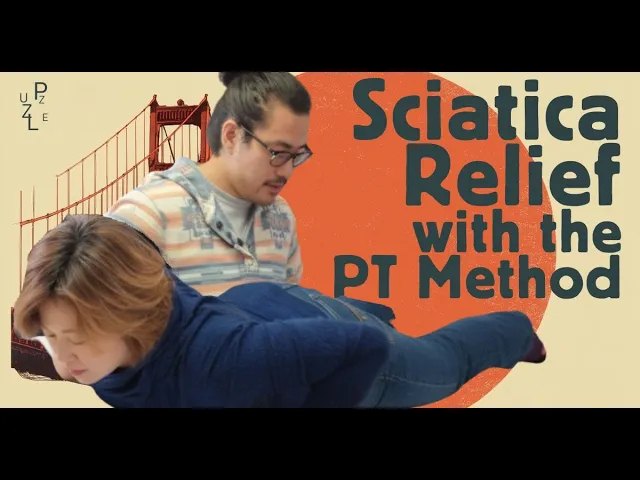
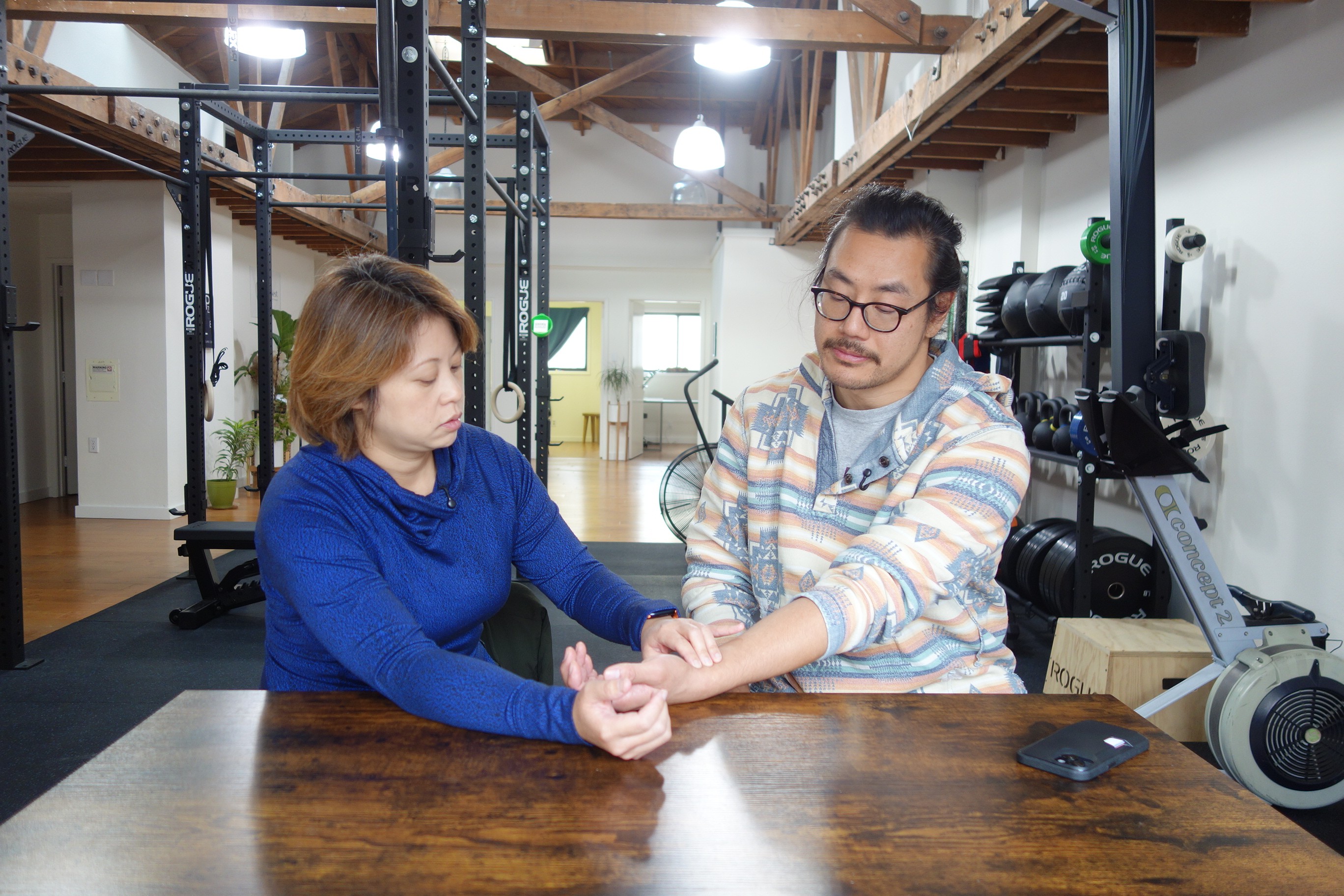
You Google “sciatica stretches,” and suddenly you’ve got 30+ exercises saved… yet somehow your symptoms feel the same (or worse). I recently spoke with Dr. Ashley Mak, a physical therapist who specializes in sciatica, and I loved how simple and practical his framework is: stop guessing, start testing.
Here’s the approach, and how I think acupuncture can complement it.
Sciatica is personal, which is why generic advice often fails
Even if two people both say “my leg hurts,” what helps one person may aggravate the other.
That’s why a one-size-fits-all plan can turn into:
- Overdoing it
- Getting mixed signals from your body
- Feeling anxious and stuck
Instead of chasing the “perfect stretch,” we want to build clarity, fast.
Dr. Ashley Mak’s “Test–Retest” method: cause → effect → clarity
One of the most useful frameworks I’ve seen for sciatica is test–retest:
Test a movement (or a simple exercise)
Retest your symptoms immediately
Keep what helps, remove what aggravates
Example:
- If bending forward (like touching your toes) reliably triggers symptoms, your body may not like that “rounding forward” pattern right now.
- Try the opposite motion (a gentle backward bend). If it reduces symptoms, that’s valuable information.
- The goal isn’t “do every exercise.” It’s to find the small set of movements that consistently make you better.
A common mistake is doing every stretch you find online without checking whether it’s actually helping. Instead: try one thing, then ask: Did this move me closer to relief—or farther away?
How fast should you know if something is working?
You don’t have to wait months to get a signal.
Often, you can tell pretty quickly whether you’re on the right track—not fully healed, but at least learning:
- what triggers symptoms,
- what reduces symptoms,
- and what doesn’t change symptoms.
That alone can reduce the fear spiral and help you feel more in control.
The post-rehab “danger zone”
Another pattern I see all the time:
You finally feel better… and then you jump back into life at 100%.
Common pitfalls:
- going from “no workouts” to two hours a day (too much, too soon)
- slipping back into old habits that contributed to the problem
A better strategy is a graded return:
- If you used to do 60 minutes, restart with 20–30 minutes
- Increase gradually, based on how your body responds
Where acupuncture fits
Sciatica isn’t just “a tight muscle.” It’s often a nervous system problem: irritation, sensitivity, guarding, compensation.
This is where acupuncture can be extremely supportive—especially when paired thoughtfully with movement work.
In early stages, acupuncture can help:
- down-regulate an irritated nervous system
- reduce protective muscle guarding
- support circulation and tissue recovery
- make movement easier and less scary
Then movement-based rehab helps you:
- restore capacity and strength
- rebuild confidence in motion
- prevent the same pattern from returning
I often describe it like this:
- Acupuncture helps your system settle
- Movement training helps your system rebuild
Both matter. And when they work together, recovery tends to feel more stable.
If you’re overwhelmed, start here (simple next steps)
If you’re currently dealing with sciatica-like symptoms, here’s a grounded way to approach it:
Stop collecting 30 exercises. Choose one strategy at a time.
Test–retest. Do it, then reassess immediately.
Track triggers in daily life. Sometimes it’s not your workout—it’s your repeated posture/movement pattern.
When you improve, don’t jump to 100%. Return gradually.
Consider a team. Acupuncture + PT can be a powerful combination when coordinated well.
Want support?
If you’re navigating nerve pain, back pain, or that “my leg feels weird” sciatica pattern, and you want a plan that’s clear, personalized, and not overwhelming… Puzzle Acupuncture is here.
Book a session and bring your questions. If you’re also working with Dr. Ashley Mak (or considering PT), I’m happy to collaborate so your care feels aligned and supportive.
Sciatica pain can be so confusing.
You Google “sciatica stretches,” and suddenly you’ve got 30+ exercises saved… yet somehow your symptoms feel the same (or worse). I recently spoke with Dr. Ashley Mak, a physical therapist who specializes in sciatica, and I loved how simple and practical his framework is: stop guessing, start testing.
Here’s the approach, and how I think acupuncture can complement it.
Sciatica is personal, which is why generic advice often fails
Even if two people both say “my leg hurts,” what helps one person may aggravate the other.
That’s why a one-size-fits-all plan can turn into:
- Overdoing it
- Getting mixed signals from your body
- Feeling anxious and stuck
Instead of chasing the “perfect stretch,” we want to build clarity, fast.
Dr. Ashley Mak’s “Test–Retest” method: cause → effect → clarity
One of the most useful frameworks I’ve seen for sciatica is test–retest:
Test a movement (or a simple exercise)
Retest your symptoms immediately
Keep what helps, remove what aggravates
Example:
- If bending forward (like touching your toes) reliably triggers symptoms, your body may not like that “rounding forward” pattern right now.
- Try the opposite motion (a gentle backward bend). If it reduces symptoms, that’s valuable information.
- The goal isn’t “do every exercise.” It’s to find the small set of movements that consistently make you better.
A common mistake is doing every stretch you find online without checking whether it’s actually helping. Instead: try one thing, then ask: Did this move me closer to relief—or farther away?
How fast should you know if something is working?
You don’t have to wait months to get a signal.
Often, you can tell pretty quickly whether you’re on the right track—not fully healed, but at least learning:
- what triggers symptoms,
- what reduces symptoms,
- and what doesn’t change symptoms.
That alone can reduce the fear spiral and help you feel more in control.
The post-rehab “danger zone”
Another pattern I see all the time:
You finally feel better… and then you jump back into life at 100%.
Common pitfalls:
- going from “no workouts” to two hours a day (too much, too soon)
- slipping back into old habits that contributed to the problem
A better strategy is a graded return:
- If you used to do 60 minutes, restart with 20–30 minutes
- Increase gradually, based on how your body responds
Where acupuncture fits
Sciatica isn’t just “a tight muscle.” It’s often a nervous system problem: irritation, sensitivity, guarding, compensation.
This is where acupuncture can be extremely supportive—especially when paired thoughtfully with movement work.
In early stages, acupuncture can help:
- down-regulate an irritated nervous system
- reduce protective muscle guarding
- support circulation and tissue recovery
- make movement easier and less scary
Then movement-based rehab helps you:
- restore capacity and strength
- rebuild confidence in motion
- prevent the same pattern from returning
I often describe it like this:
- Acupuncture helps your system settle
- Movement training helps your system rebuild
Both matter. And when they work together, recovery tends to feel more stable.
If you’re overwhelmed, start here (simple next steps)
If you’re currently dealing with sciatica-like symptoms, here’s a grounded way to approach it:
Stop collecting 30 exercises. Choose one strategy at a time.
Test–retest. Do it, then reassess immediately.
Track triggers in daily life. Sometimes it’s not your workout—it’s your repeated posture/movement pattern.
When you improve, don’t jump to 100%. Return gradually.
Consider a team. Acupuncture + PT can be a powerful combination when coordinated well.
Want support?
If you’re navigating nerve pain, back pain, or that “my leg feels weird” sciatica pattern, and you want a plan that’s clear, personalized, and not overwhelming… Puzzle Acupuncture is here.
Book a session and bring your questions. If you’re also working with Dr. Ashley Mak (or considering PT), I’m happy to collaborate so your care feels aligned and supportive.
From Dr Deb
Insights from the modern TCM Doctor.
Insights from the modern TCM Doctor.
No spam, unsubscribe anytime.
Ready to discuss your case?
Book a free 15-minute strategy session with Dr. Deb
Book a free 15-minute strategy session with Dr. Deb
