I studied Chinese medicine in Beijing and in California, then practised for years in Beijing, most recently as a hospital doctor. When I opened my clinic in San Francisco, all of that shrank to one line: licensed acupuncturist. Few patients here, and few doctors, know what a China-trained acupuncturist's training covers, and I found that unfair when I arrived. I think a China-trained practitioner is better suited to complicated cases, several problems at once or one that has outlasted every treatment, than a practitioner trained only in the US. The difference starts with training, hospital experience and the range of patients we see.
My training was longer and more clinical than a US acupuncture degree
In China, Chinese medicine is taught as medicine. At Beijing University of Chinese Medicine, where I did my bachelor's degree and my PhD, the acupuncture pathway runs five undergraduate years plus three postgraduate years that include standardised hospital residency. Students learn Chinese medicine alongside anatomy, physiology, pathology, pharmacology, internal medicine, surgery and emergency medicine.
The US certification board's standard is a three-year master's in acupuncture, or four years with herbal medicine, which students typically start after two years of college. California asks for 3,000 hours, 950 of them supervised clinical work, plus a licensing exam. No hospital residency is required.
I have sat in both classrooms. Between my Chinese bachelor's degree and my PhD, I earned a master's at South Baylo University in California, and its coursework was easier than my Chinese undergraduate courses.
8 years of medical training.
A 3-year acupuncture degree.
Different training, different clinical infrastructure.
Licensed practitioners
TCM physicians, China 2024; acupuncture licenses, US 2023
Dedicated Chinese medicine hospitals
China’s national hospital network; US practice is mainly independent clinics
Years in specialist training pathways
BUCM degree + residency; US acupuncture master’s programme
Sources: China NHC 2024; Fan et al. 2023 license count; BUCM; NCBAHM.
Acupuncture is far wider than the needles most people picture, and still growing
The acupuncture most people picture, fine needles left in the back or legs, is one method among many. China's national standard for acupuncture and moxibustion techniques has 22 parts, each setting out how one technique is done, from scalp and ear needling to fire needles, thread embedding and cupping, and its newest part was published in 2026.
At the Second Affiliated Hospital of Zhejiang Chinese Medical University, the acupuncture department lists 23 therapies.
Several of these are recent. Scalp acupuncture took shape in the 1970s and Fu's subcutaneous needling in 1996. Some have crossed the Pacific: in 2024, about 70% of American practitioners used electroacupuncture.
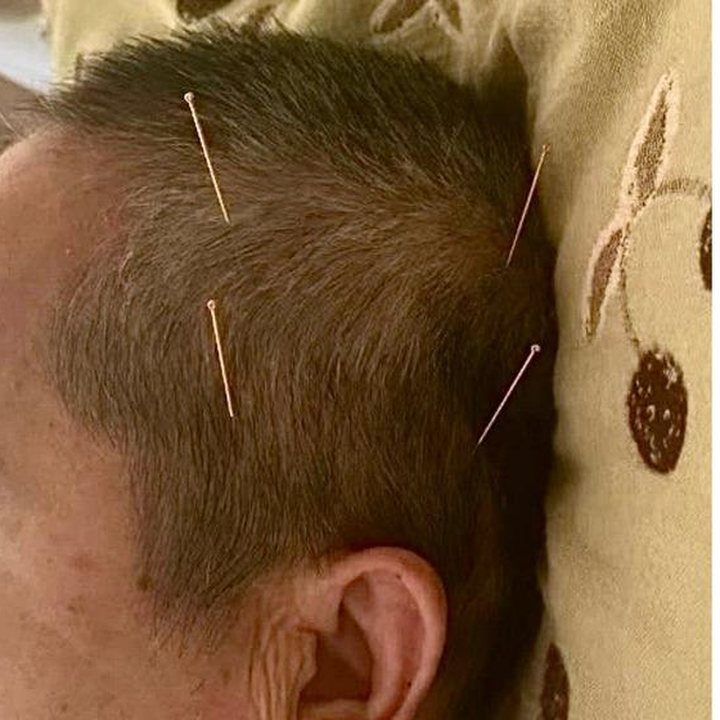
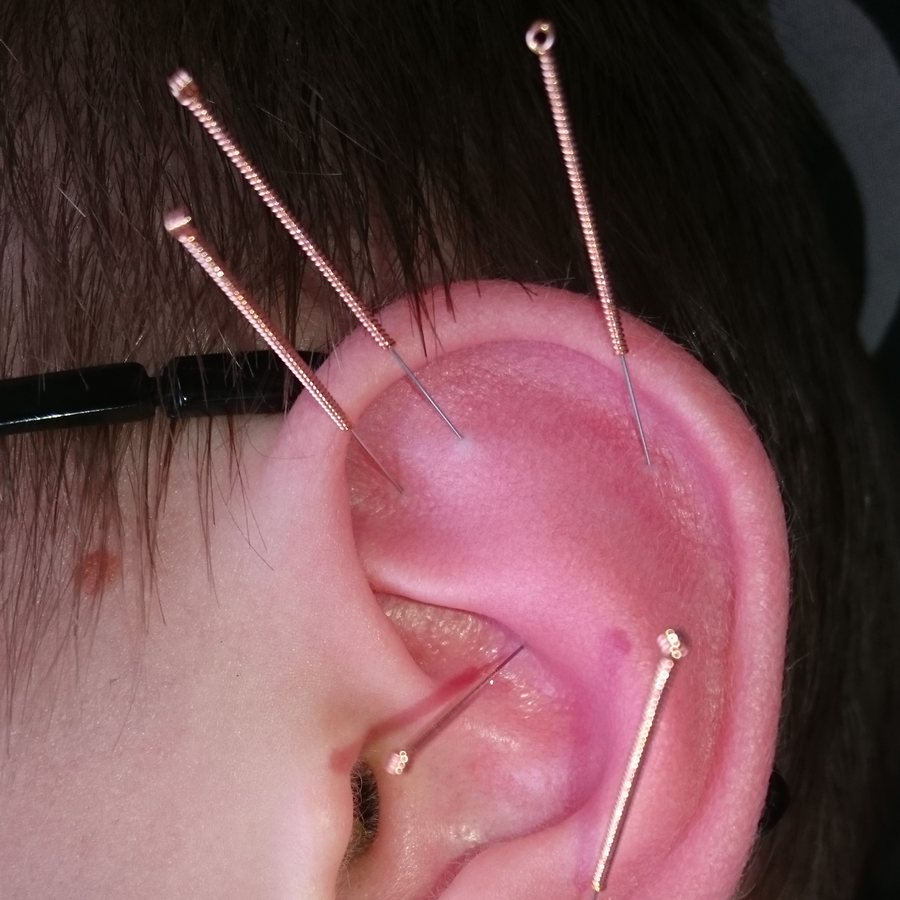

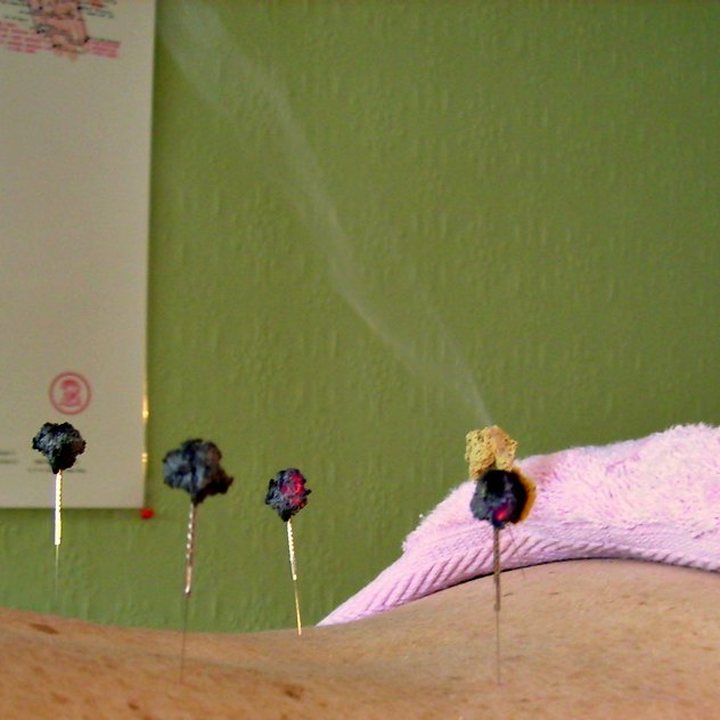
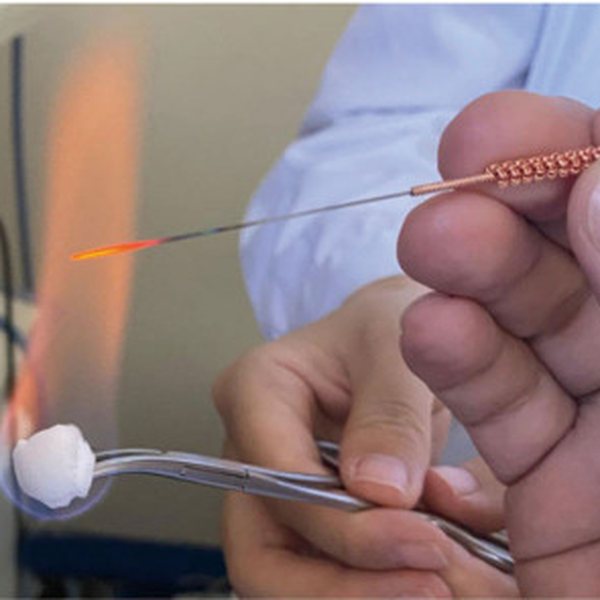
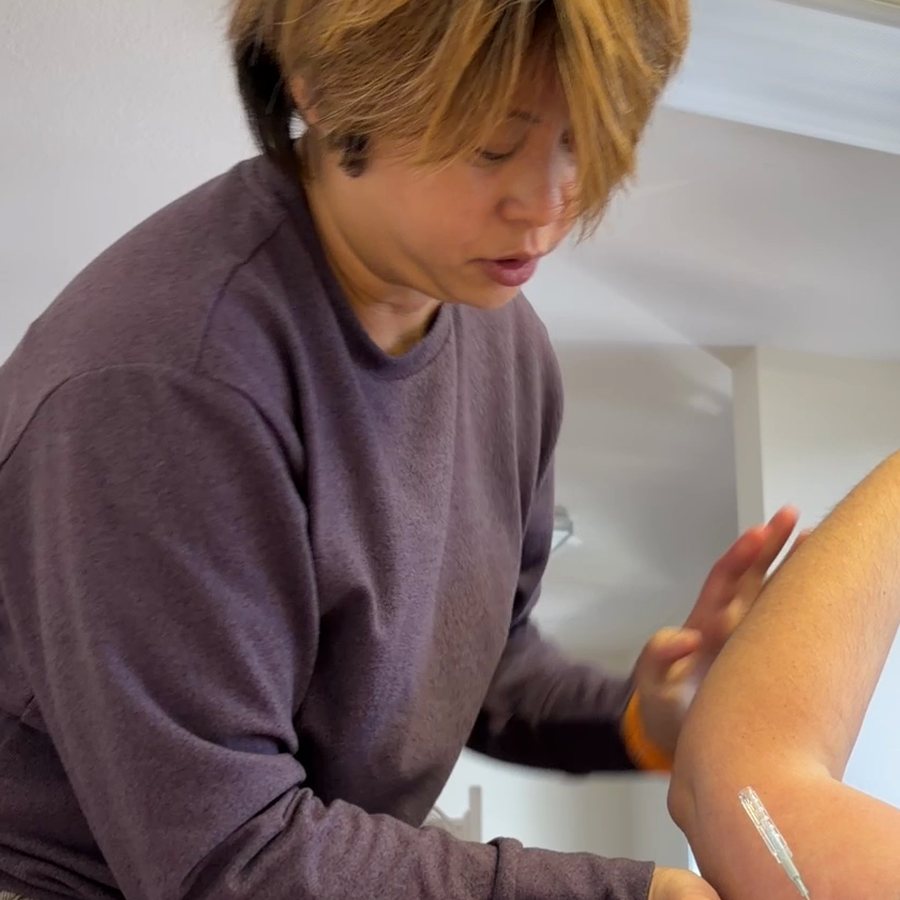
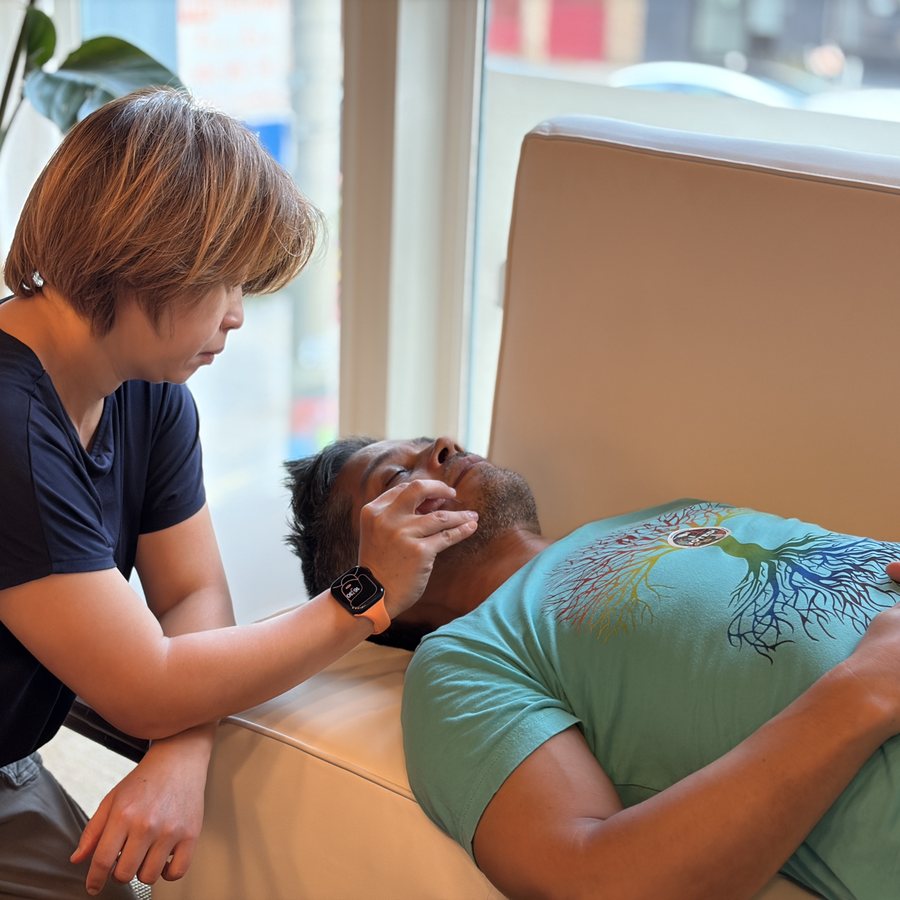
In San Francisco I use cheek acupuncture and Fu's needling on top of classical acupuncture, and I hold certificates in both.
Chinese hospitals send their acupuncturists more patients and harder cases
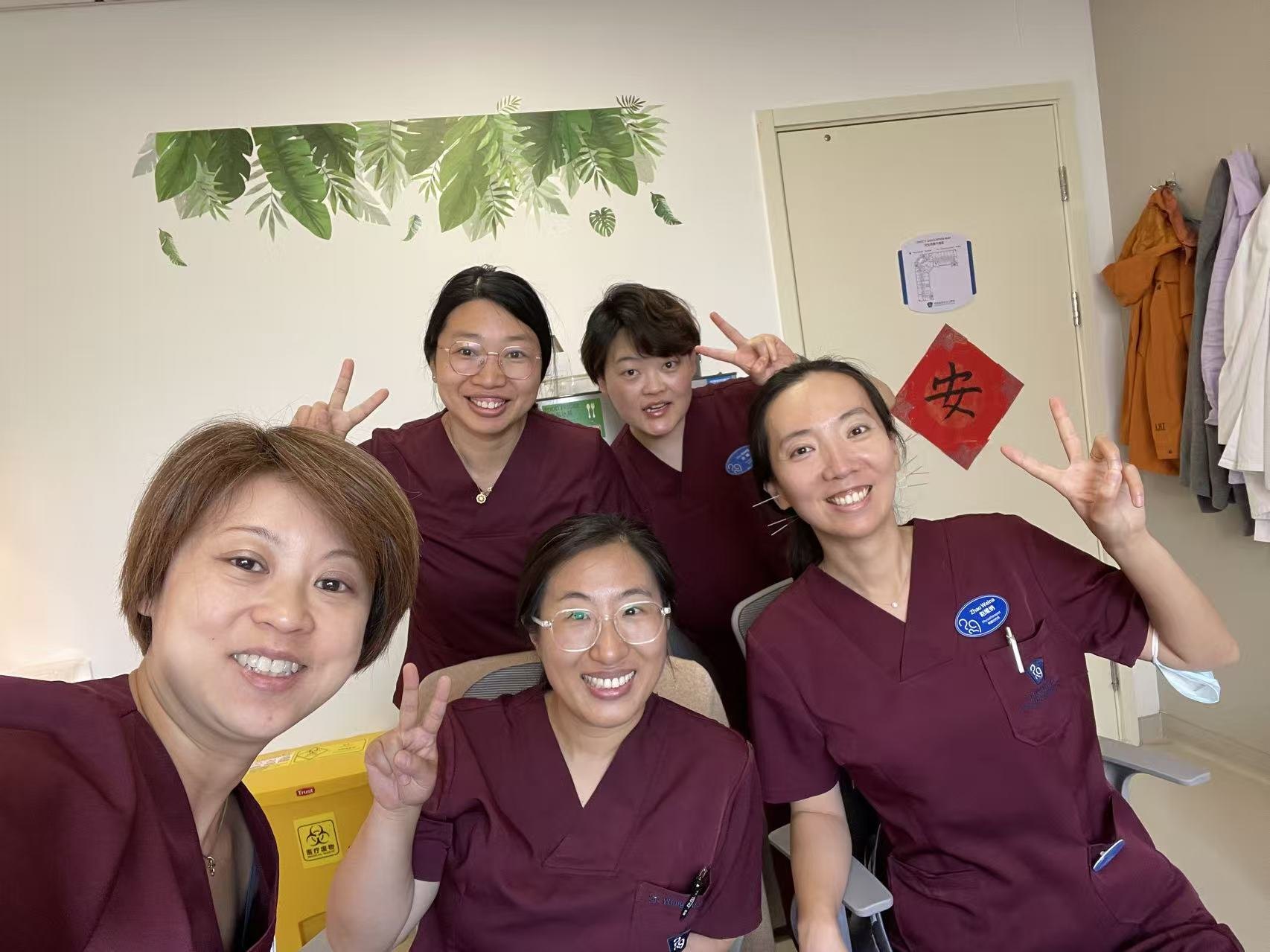
At Beijing United Family Hospital I was the Chinese medicine department, seeing 45 to 60 patients a week, about a fifth of them children. Colleagues from other departments sent me their difficult cases: chronic conditions, new symptoms nobody could place, a facial paralysis that had lasted ten years. I sent patients the other way just as easily. We talked about shared patients all the time, so a referral felt like asking a colleague down the hall for help.
That is ordinary in China. The country recorded 1.68 billion Chinese-medicine visits in 2024, half of them in Chinese-medicine hospitals, and by the end of 2025, 96% of public general hospitals at secondary level and above had a Chinese-medicine department. National guidelines ask the other departments to set up consultation and referral routes with it.
Volume is where the experience gap opens. Acupuncturists at a Jiangsu teaching hospital in 2018 saw about four times as many patients per week as practitioners in a 2014 to 2016 US survey.
Clinical exposure grows
with patient contact.
Weekly workload per practitioner · published examples
US: mean patients/week, 1,047 NCCAOM respondents, 2014–2016.
Sources: Fan et al., Medical Acupuncture 2020; Ward-Cook et al., 2017.
In the US the same medicine mostly works alone. In 2024, 70% of US acupuncturists ran their own practice and about 5% worked in a hospital outpatient clinic. Seeing that many patients, with specialists referring difficult cases and discussing them with you, gives you clinical experience that is hard to get in a solo practice.
Local test booking. No email is sent.
15-minute Strategy Session
Not sure acupuncture is right for you?
What’s included
- Discuss your health concerns and goals
- Address any questions before committing to your first appointment
- We'll determine the best approach
“She's the first doctor that made me feel human and not like just another nameless number.”
GC, on Zocdoc
Next available
Loading available times…
Pacific time. No payment is taken online.
See other times
Pick a time
Times in Pacific time (San Francisco).
In the US, acupuncture gets narrowed to pain
Most American adults who used acupuncture in the 2022 National Health Interview Survey used it for pain. In our comparison of US acupuncture searches over the past year, pain led every other condition by a wide margin.
In the US, people mostly
search for pain relief.
Google Trends · share of selected search interest (%) · US
73% of US adult acupuncture users used it for pain.
National Health Interview Survey, 2022
Percentages normalize the selected terms’ index scores to 100%; not all acupuncture searches.
National patient survey: NCCIH / NHIS 2022.
Other: tinnitus, infertility, constipation, allergy, menopause, and digestion.
Chinese medicine in China's primary care covers far more. In Shenzhen community health centres in the first half of 2021, respiratory conditions were the largest group, followed by muscle and joint problems, gynaecological, cardiovascular and digestive problems.
In China, Chinese medicine
is ordinary primary care.
Share of 385,138 TCM records · Shenzhen · Jan–Jun 2021
Family-doctor-contracted residents; study-defined TCM diagnosis groups.
Coverage keeps it narrow here. Medicare pays for acupuncture for one condition only, chronic low back pain, and where US hospitals offer it, it is mostly for pain and the side effects of cancer treatment. A complicated case is rarely only pain.
- Pain
- Sometimes fertility
- Beauty & skin care
The field here did not choose that shortlist. Billing did, and a practitioner only gets good at what keeps arriving.
- Paediatrics
- Digestion
- Dermatology
- Gynaecology
- Neurology
- Oncology
People take a child with a cough to one of those, or a rash, or a stomach that has never been right.
I treat complicated cases in San Francisco
80% of my patients have four or more symptoms when they first come to see me. Over 50% have symptoms spread across five or more body systems.
“I love San Francisco, but it can be intense.”
The body is one integrated system. A headache is rarely only a headache. It is often the first signal of a load the whole system is carrying: cervical tension, eye strain, short sleep, sustained stress, a routine the body has stopped tolerating quietly. Every case starts with a full examination, tongue, pulse, palpation and history, before any needle. Then I treat the pattern behind the symptoms, not the one spot that hurts.
Complicated cases are not rare. On a cruise ship they were almost all I saw.
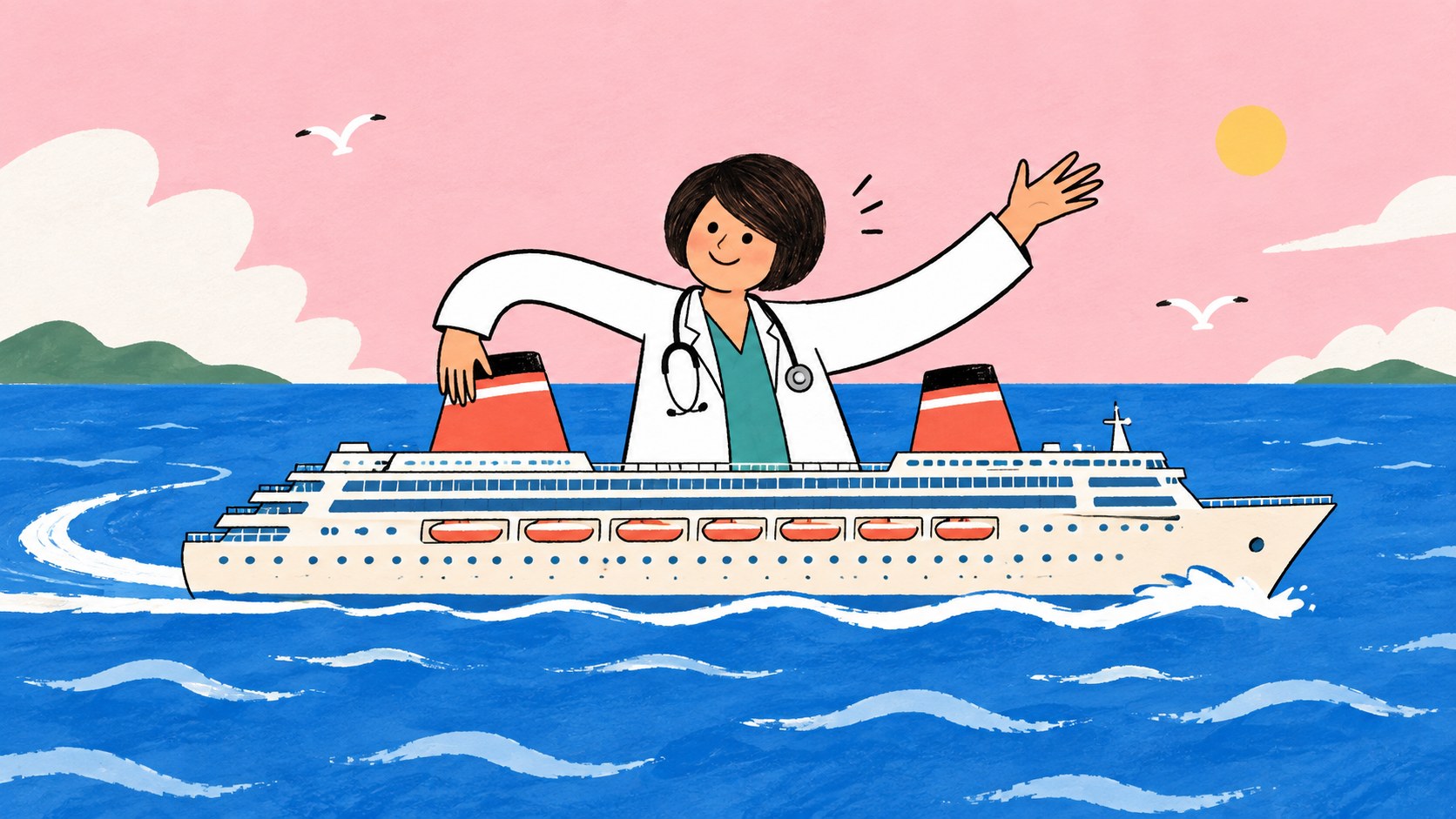
From 2012 to 2014 I worked as a Chinese medicine doctor on Norwegian Cruise Line ships in the Mediterranean, treating 70 to 80 patients a week. They came from many countries and very different lives. Many were older and living with several conditions at once, and for most it was their first acupuncture. What brought them in was a problem they had carried for years without an answer, and the time at sea to try something new.
Robert H., a passenger, wrote afterwards:
"I have this rare nerve disease where temperature changes trigger intense pain, for 30 years. Honestly, I wasn't expecting much from the spa acupuncturist on a cruise ship. [...] Somehow she managed to treat this condition that had stumped doctors for decades, just with acupuncture."
He expected a spa treatment, and I do not blame him. Nothing about a cruise spa, or a US acupuncture licence, tells a patient that the person holding the needles trained as a hospital doctor.
Recognition here has not caught up with the training
According to the Bureau of Labor Statistics, employed acupuncturists in the US earn about 3X less than physicians.
Acupuncturists earn 3X less
than physicians.
Mean annual employee pay · United States · May 2025
China's national Chinese-medicine administration budgeted about US$330 million in new public funding for 2025. In Berkeley, AIMC, where I supervise students, stopped accepting new students this summer after a funding crisis threatened its future.
When an acupuncture school is fighting to stay open, research and better clinical training get pushed aside. There is less money to bring in new techniques, develop teachers' skills or study what works. I see a vicious circle: the field needs that work to earn wider recognition and support, but it spends its resources surviving instead of doing it.
The unfair part lands on patients with complicated cases
Patients with complicated cases need a practitioner who has treated a wide range of conditions and knows how to work with other specialists. My Chinese training and hospital practice prepared me for that work, which is why I think a China-trained practitioner is the better fit. A US acupuncture licence tells patients none of that, so the people who could benefit most often do not know to look for it.
If you are in San Francisco with a complicated case, several problems at once or one that has outlasted every treatment so far, book a free 15-minute strategy session. Tell me what has happened and what you have tried, and we can work out whether my experience fits before you decide on treatment.