
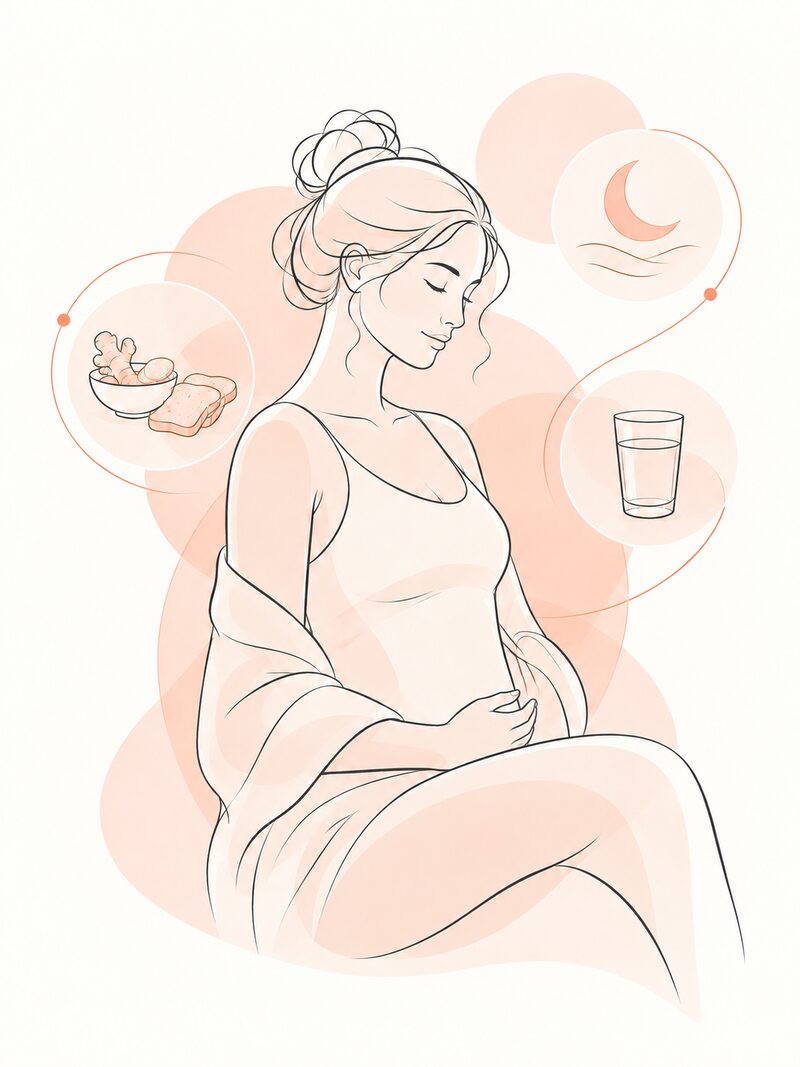
First trimester: small, steady meals can make nausea easier
Start with foods you can tolerate, in portions that feel manageable.
- 01Eat small meals every 2–3 hours
- 02Sip water; try ginger for nausea
- 03Rest and take short, easy walks
During pregnancy, I see patients for nausea, back pain and disrupted sleep. After birth, care may focus on bladder symptoms, breastfeeding, pelvic pain or mood. Your stage of pregnancy or recovery, symptoms and obstetric care guide the treatment plan.
Dr Deb Ma, PhD, LAc, OMD · 1640 Valencia St, San Francisco
Nausea, back pain and broken sleep are reasons patients come in during pregnancy. Tell me how many weeks along you are and anything your OB or midwife has flagged, so we can discuss where acupuncture fits in your care.
For persistent morning sickness, treatment may use points on the wrist, upper belly and leg. For a breech baby, the technique is warmth from a mugwort stick near the little toe, rather than a needle, alongside your OB's plan.
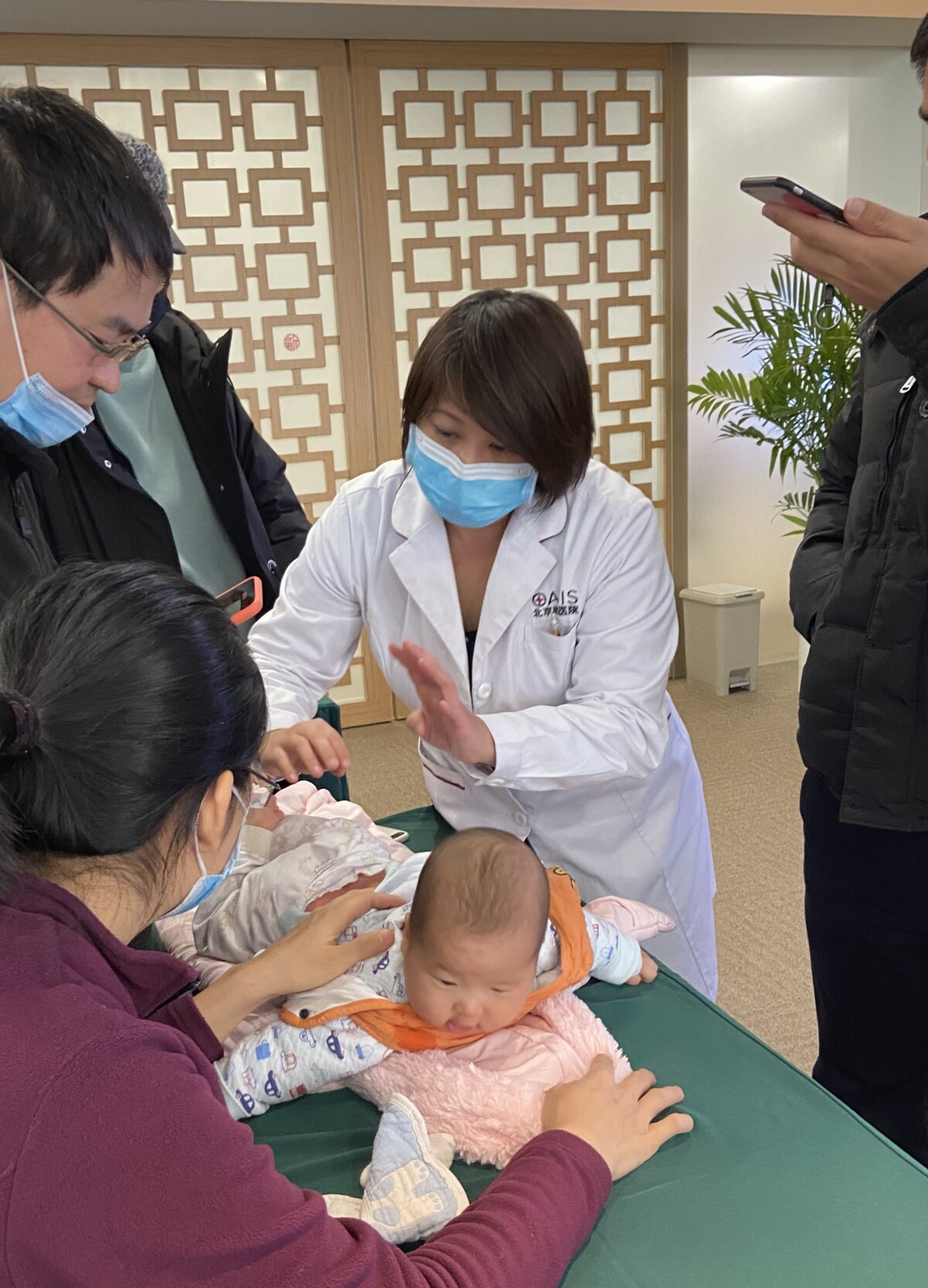
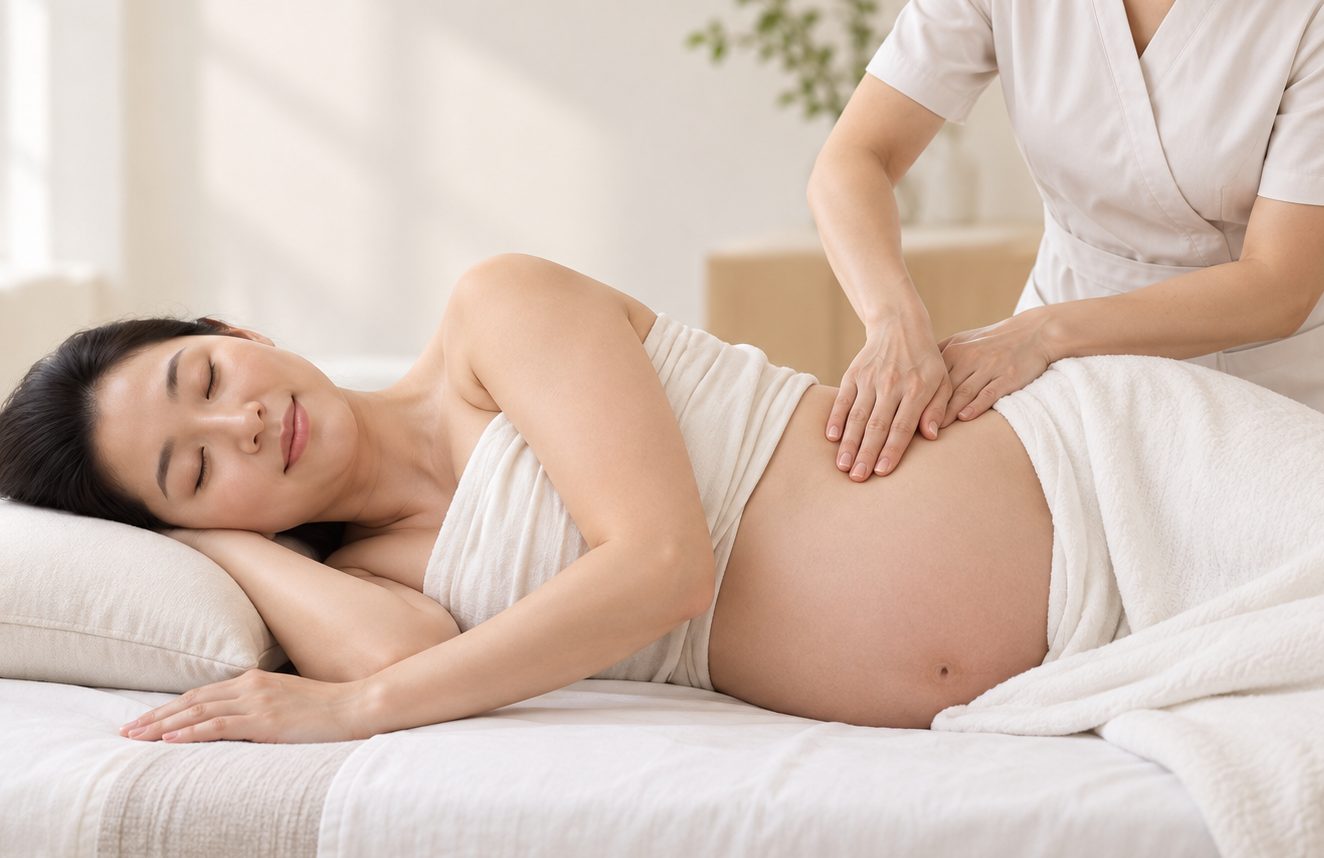
The first days after birth bring different concerns from the months that follow. Whether the birth was vaginal or caesarean, I work alongside your obstetric care and adapt treatment to how you are recovering.
In the maternity hospital, obstetricians assessed patients before referring them for Chinese medicine. That collaboration informs how I practise here.
Qi and blood are Chinese-medicine terms used to describe the body's resources after birth. I use that framework alongside your symptoms and medical assessment, rather than treating every postpartum concern as the same problem.
| Time since birth | Symptoms patients bring | Treatment approach |
|---|---|---|
| The first 72 hoursThe bladder | Difficulty emptying the bladder (urinary retention), afterpains, milk supply and changes in mood. | Difficulty passing urine needs urgent assessment by your maternity team first. Acupuncture, heat or herbs are possible adjuncts only after evaluation; they must not delay bladder drainage or other medical treatment. |
| Days 3 to 42The milk and the mood | Low milk supply, breast discomfort, constipation or low mood that has not lifted by two weeks. | Lactation or medical assessment guides care. Acupuncture may be considered alongside feeding support; any herbs need a separate breastfeeding and medication review. |
| Around the postpartum checkThe pelvic floor | Leaking with coughing or running, urgency, persistent pubic or low-back pain, or low mood. | After assessment, we discuss whether acupuncture could help alongside pelvic-floor rehabilitation. The symptoms and recovery guide the technique and course length. |
| The year afterPersistent symptoms | Persistent stress incontinence, pain that began after birth, or changes in the menstrual cycle. | Reassess symptoms that persist. If we try electroacupuncture for leaking, we track episodes and pad use alongside the pelvic-floor plan. |
If you cannot pass urine after birth, contact your maternity team urgently rather than waiting for an acupuncture visit. Postnatal bladder-care guidance calls for assessment if you have not passed urine within six hours of delivery or catheter removal, or cannot empty well. A bladder scan and catheter may be needed.
A 2026 Chinese hospital trial studied acupuncture and electrical stimulation after postpartum urinary retention was diagnosed, with routine care in every group. It does not support delaying assessment or trying home treatment first. The stages above are a guide to common concerns, not deadlines for seeking care.
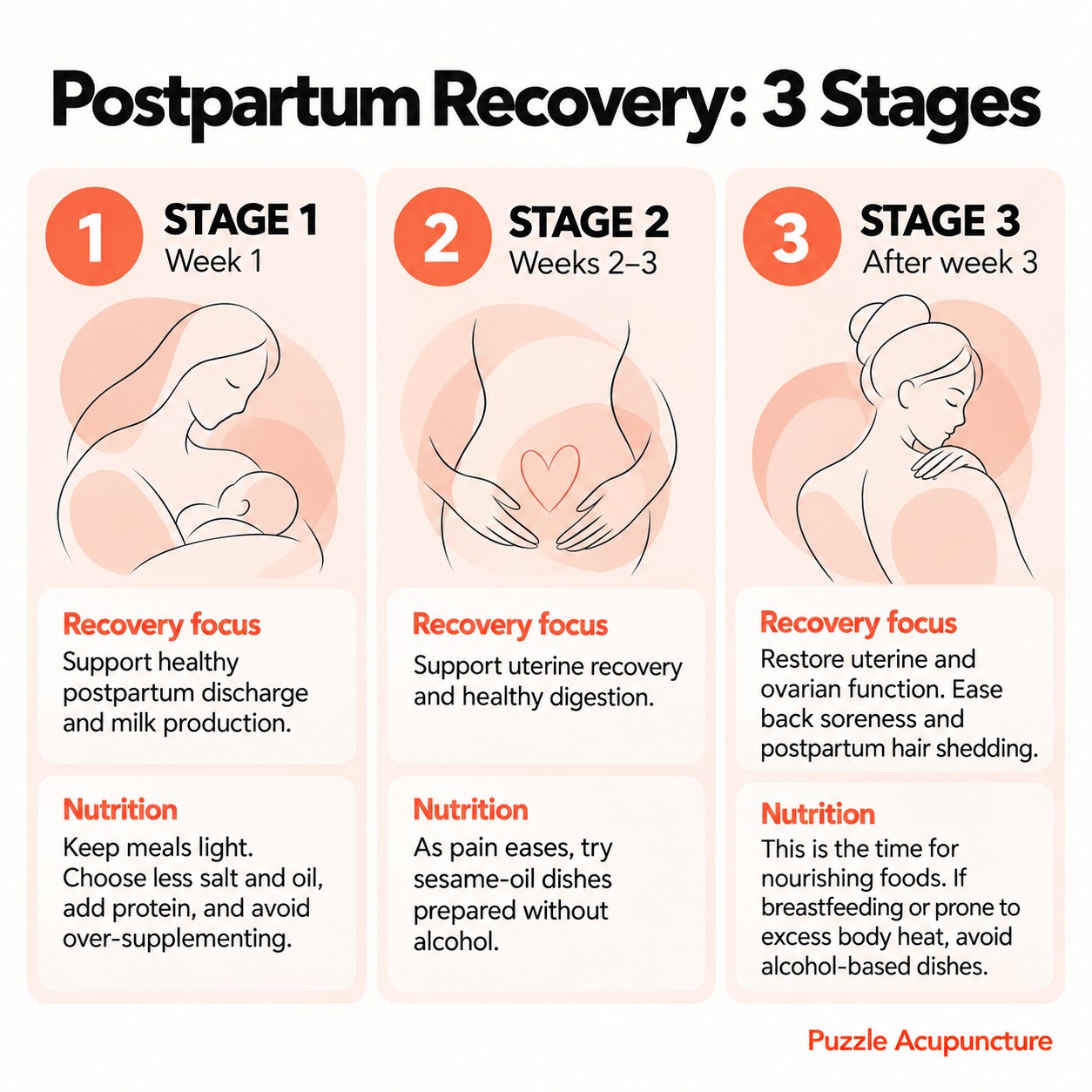
This illustration reflects traditional postpartum food advice. The weeks are approximate, and the food suggestions are not proven to restore ovarian function or prevent hair shedding. Your recovery, appetite and feeding needs guide the plan.
I sometimes discuss a herbal formula for symptoms between visits, after medical assessment where needed. Sheng Hua Tang is used in traditional postpartum care, but it is not a routine prescription for everyone after birth. Breastfeeding safety data are limited, and each ingredient needs review alongside your medicines. If I do not think you need herbs, I will say so.
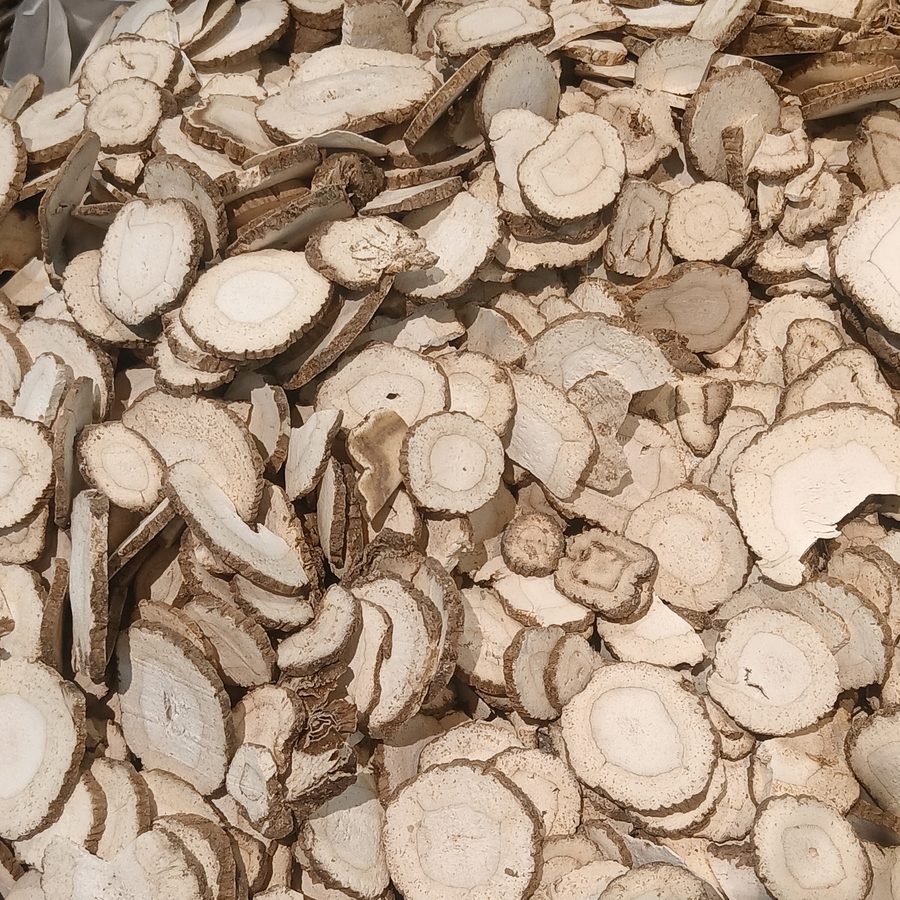 Dāng guī
Chinese angelica root
Dāng guī
Chinese angelica root
An ingredient in Sheng Hua Tang. It is not a proven milk-supply treatment; LactMed advises avoiding it while breastfeeding.
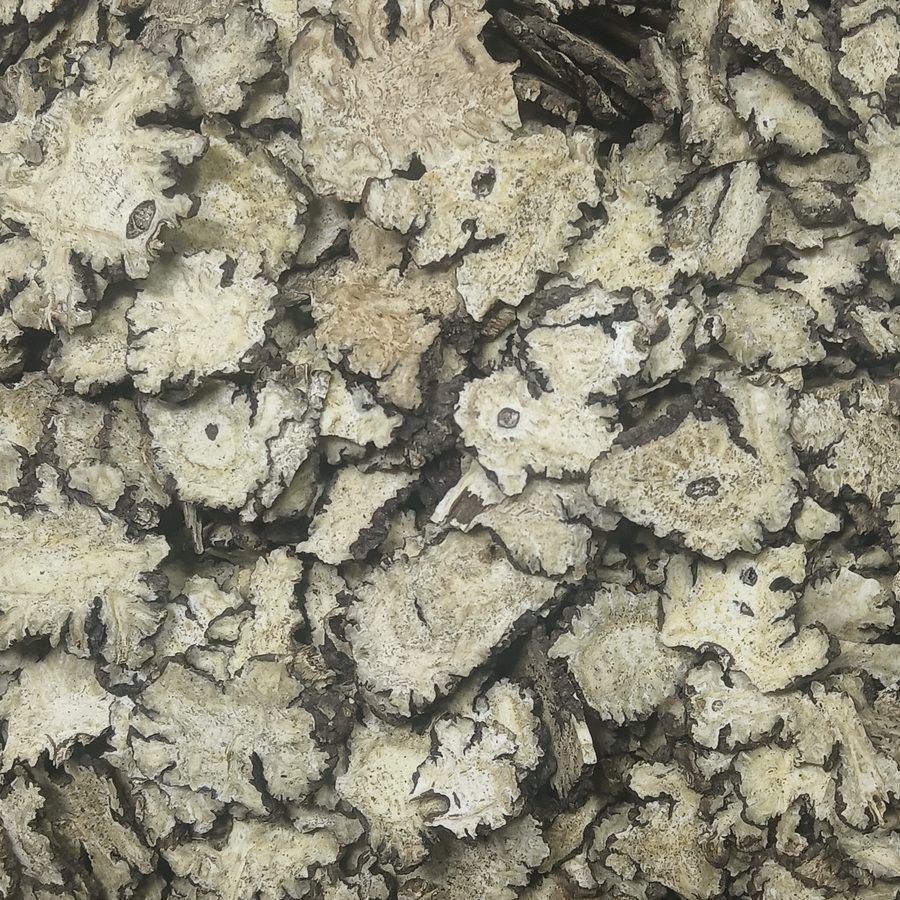 Chuān xiōng
chuanxiong rhizome
Chuān xiōng
chuanxiong rhizome
Another traditional ingredient in Sheng Hua Tang. A new postpartum headache needs assessment, not an automatic herbal prescription.
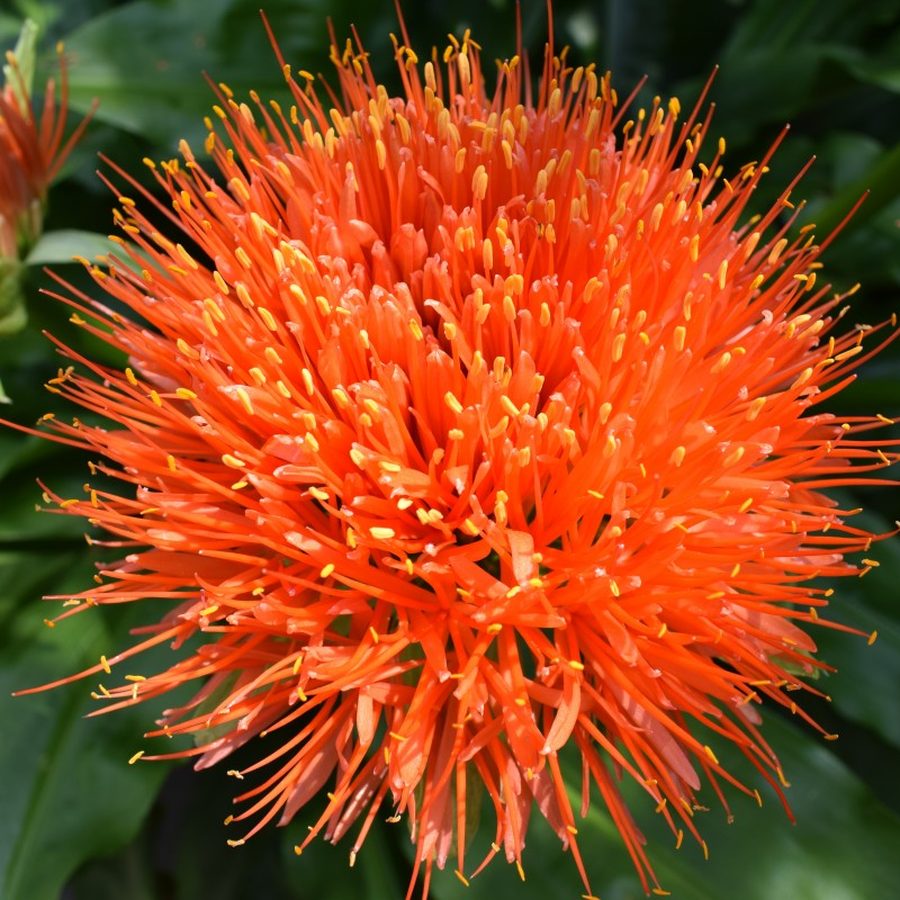 Hóng huā
safflower
Hóng huā
safflower
Used in some traditional formulas. Changes in postpartum bleeding need assessment before considering a formula.
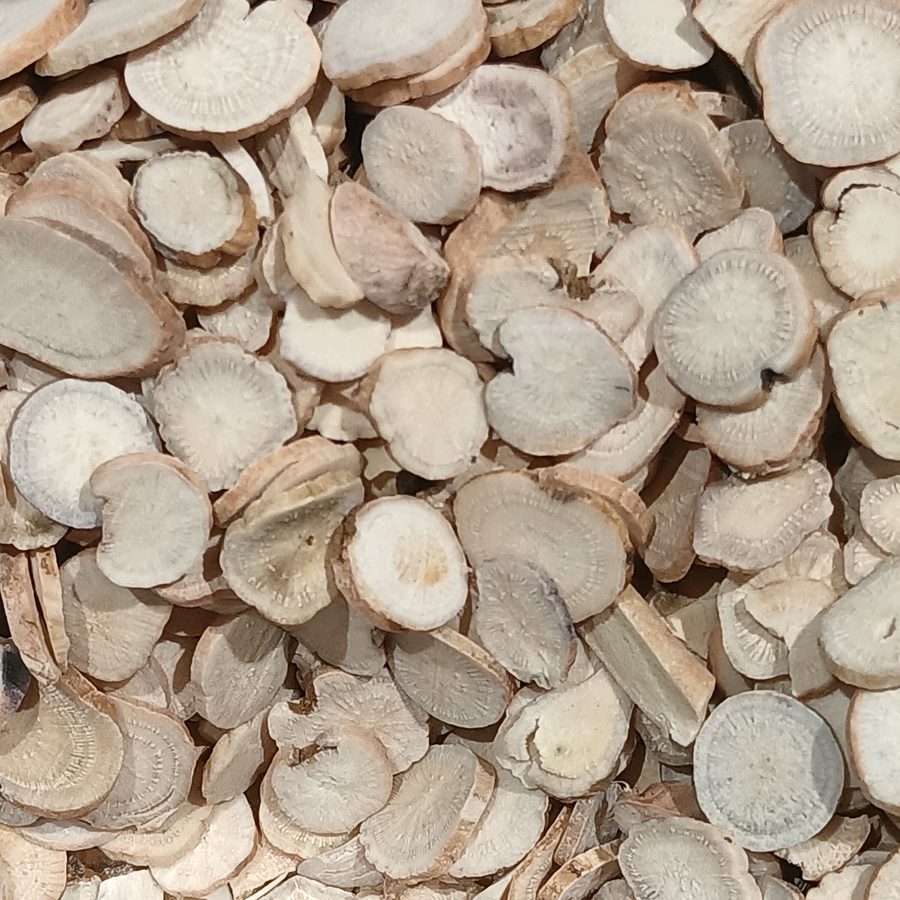 Bái sháo
white peony root
Bái sháo
white peony root
Traditionally paired with licorice in formulas for cramping. The pairing is not a fixed treatment for the first fortnight after birth.
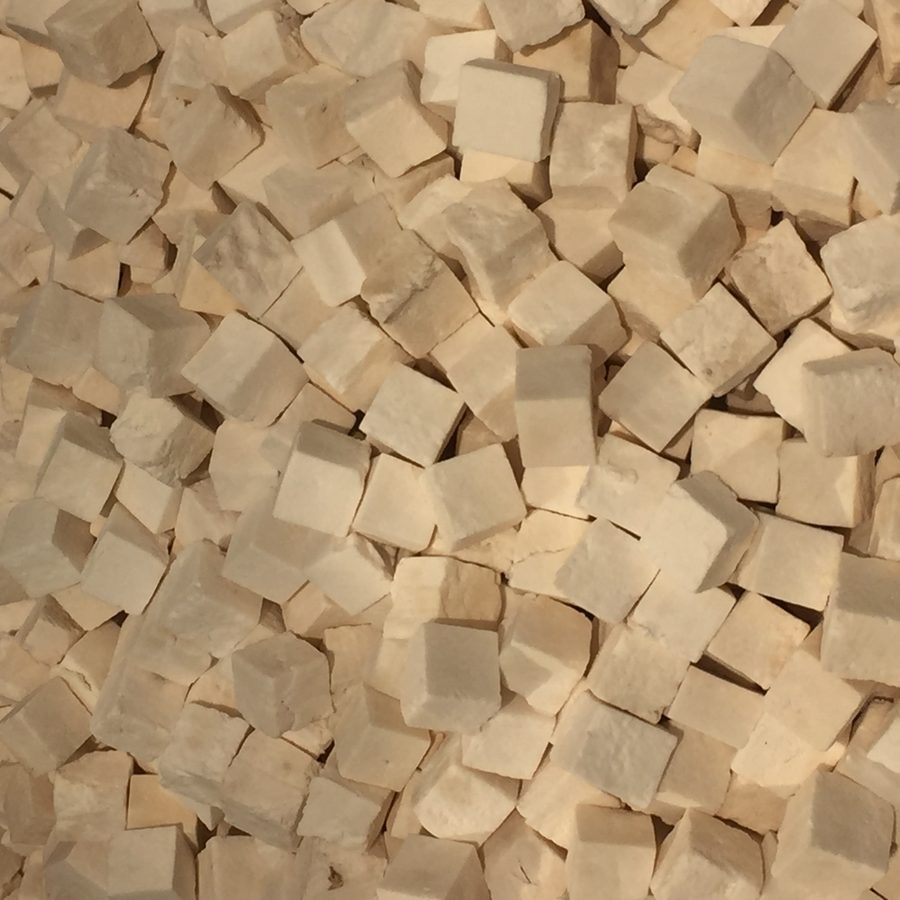 Fú líng
poria
Fú líng
poria
Used in traditional formulas selected for the overall symptom pattern, rather than prescribed to every mother with poor sleep.
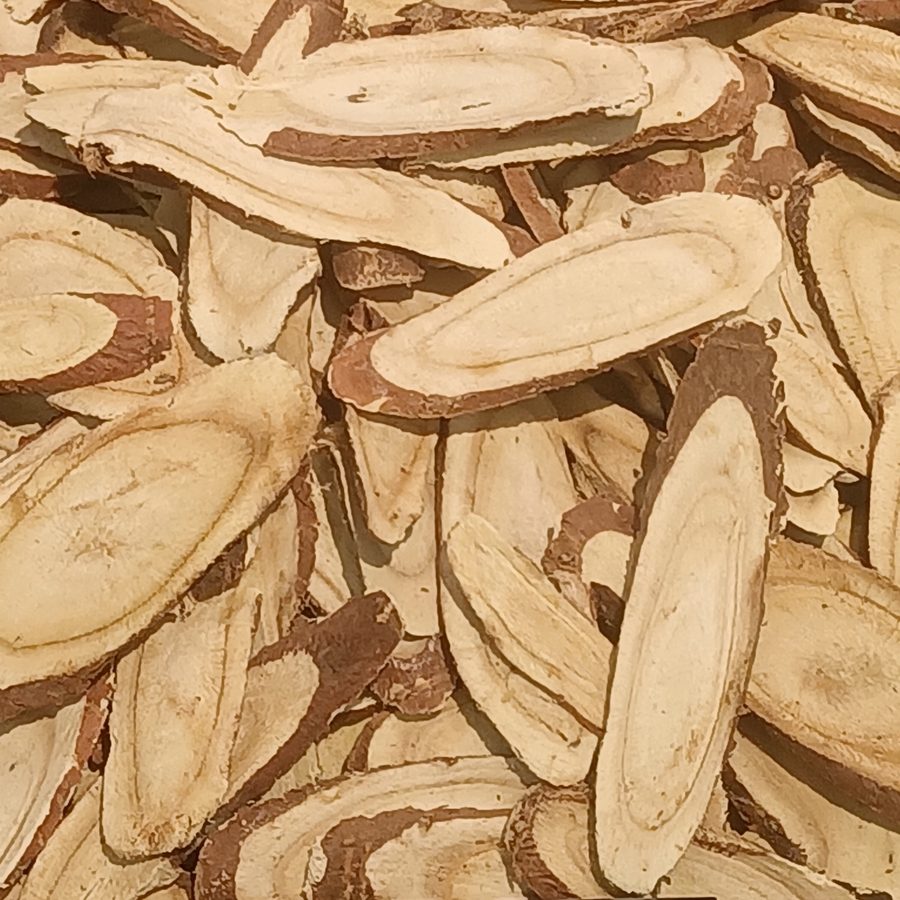 Gān cǎo
licorice root
Gān cǎo
licorice root
An ingredient in several traditional formulas. It can affect blood pressure and potassium, and is not a general breastfeeding supplement.
Photographs: Fumikas Sagisavas (CC BY 2.0), via Wikimedia Commons. Each is a round crop from the source photograph.
These are examples of traditional ingredients, not a self-treatment list. Sources: Guangdong drug-safety information on Sheng Hua Tang; LactMed on dong quai and licorice.
A 2017 trial in 504 women with stress incontinence found that leakage fell by 9.9 grams with electroacupuncture, compared with 2.6 grams with placebo needling, after six weeks. Their average age was 55; this was not a postpartum trial.
For postpartum leaking, we discuss a treatment course and track changes with a pad count, alongside pelvic-floor care.
A 2024 review of 19 trials found higher exclusive-breastfeeding rates in acupuncture groups, but rated the evidence critically low in quality. The result is promising, not a reliable prediction of an individual mother’s milk supply.
I also see mothers who are reducing or ending breastfeeding, including after a return to work or a loss. If there is a medical reason to change feeding, that decision belongs with your medical team.
We discuss breast discomfort and how the transition is going, including whether you need care from your obstetric or lactation team.
Broken sleep, overnight feeds and the amount of help at home all matter when we talk about mood after birth. I ask about those circumstances as well as your symptoms.
In Chinese medicine, I also look for patterns connecting mood with sleep, tension and exhaustion. That assessment guides the choice of acupuncture points and tuina, a form of hands-on treatment.
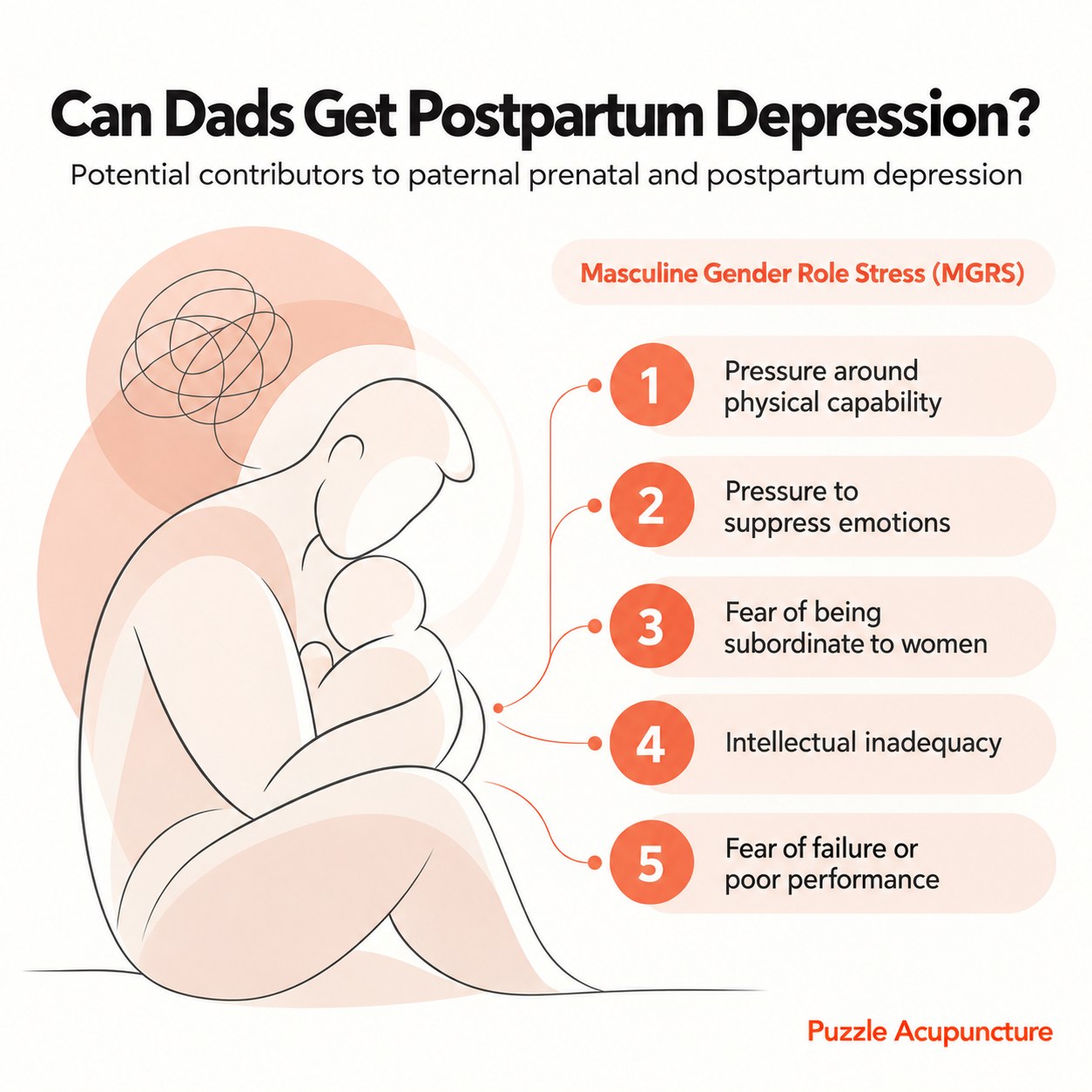
Acupuncture runs alongside the therapy and medication your doctor recommends. A 2024 review of 13 trials reported benefits in some combined-treatment groups, but found the evidence too weak for a strong recommendation. New fathers can also struggle with mood; the illustration below describes some of the pressures they may face.
What you can tolerate in the first trimester may be different from what feels comfortable in the third. I adapt food advice to your appetite, digestion and daily routine.
In San Francisco, I often suggest warm, cooked meals such as soup, oatmeal and roast vegetables. That is an individual recommendation, not a rule that every pregnant woman must eat the same way. Review herbs and supplements with your prenatal clinician rather than adding them as a general tonic.
Pregnancy,
trimester by trimester.
A simple rhythm for nourishment, movement, and everyday comfort.
Start with foods you can tolerate, in portions that feel manageable.
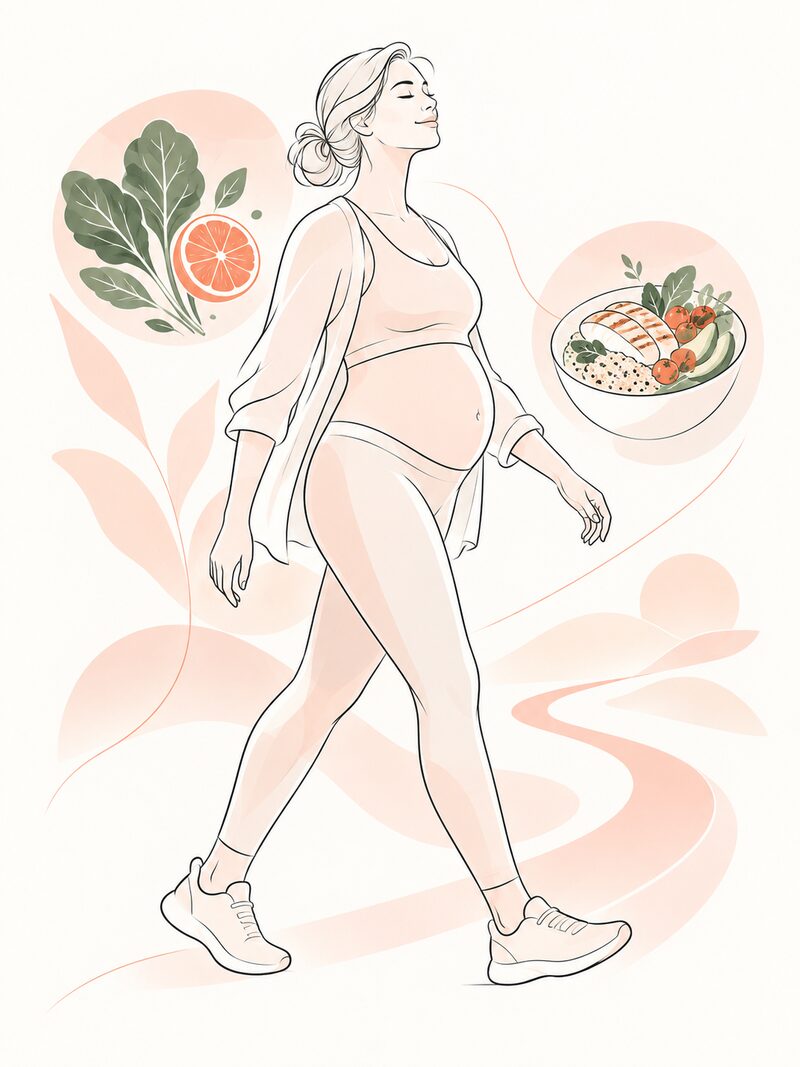
Build meals around protein, vegetables and whole grains.
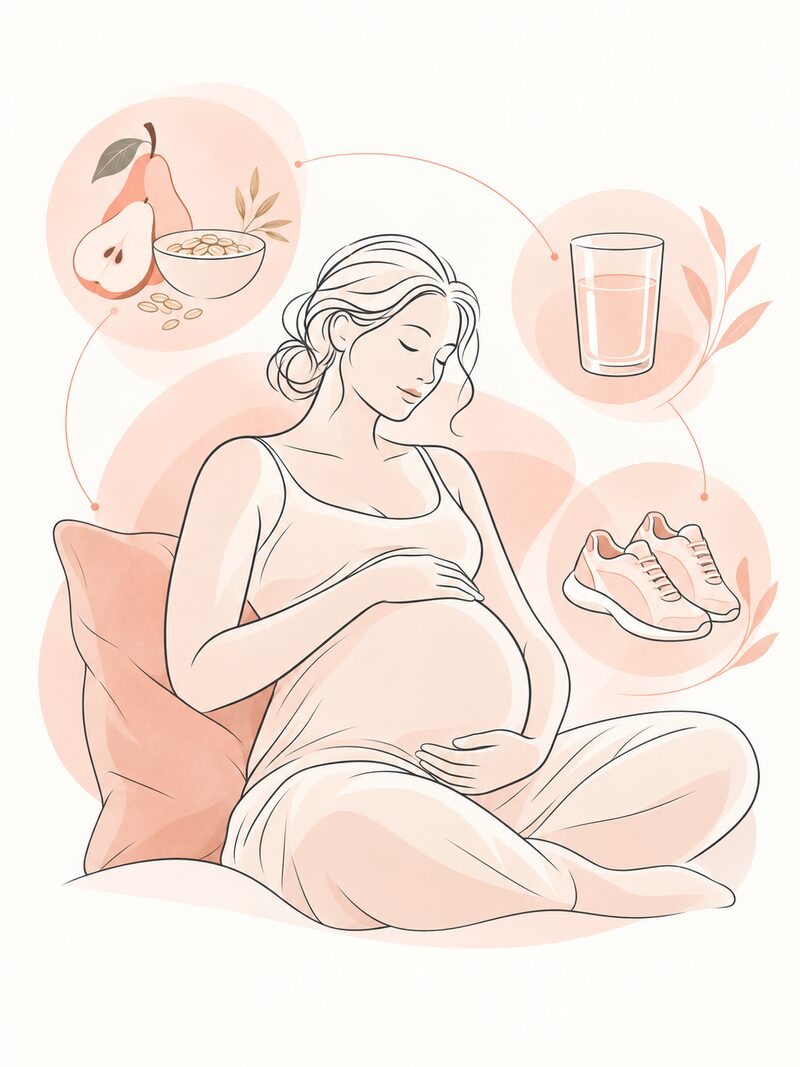
Adjust meal size and movement to what feels comfortable.
Keep food safely prepared. Avoid alcohol, high-mercury fish, unpasteurized foods, and raw or undercooked eggs, meat, and seafood. Review herbs and remedies with your prenatal clinician.
General education only, not medical advice. Seek urgent care for heavy bleeding, severe pain, trouble breathing, severe headache or vision changes, fluid leakage, or a concerning decrease in fetal movement.Sources: ACOG · FDA · National Weather Service
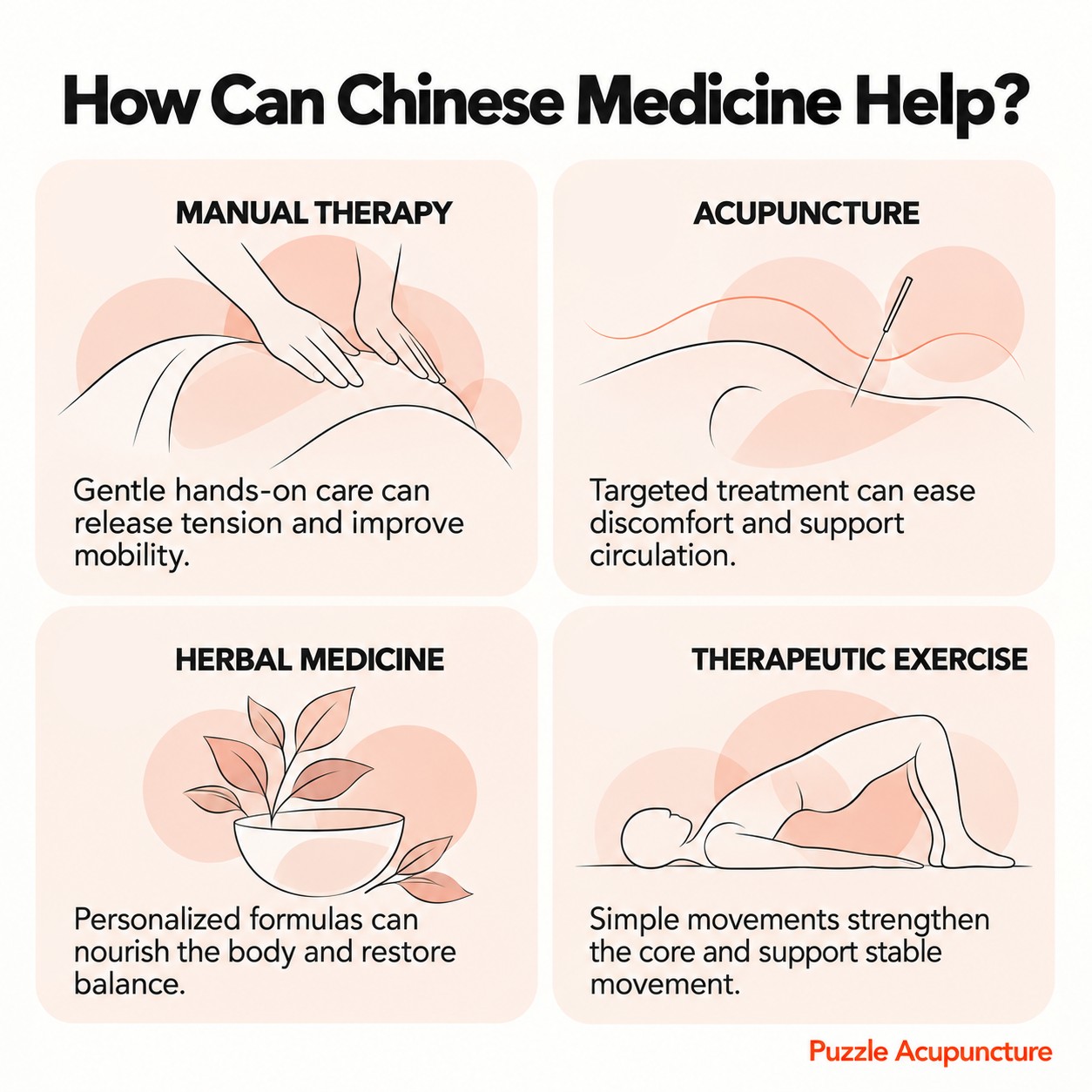
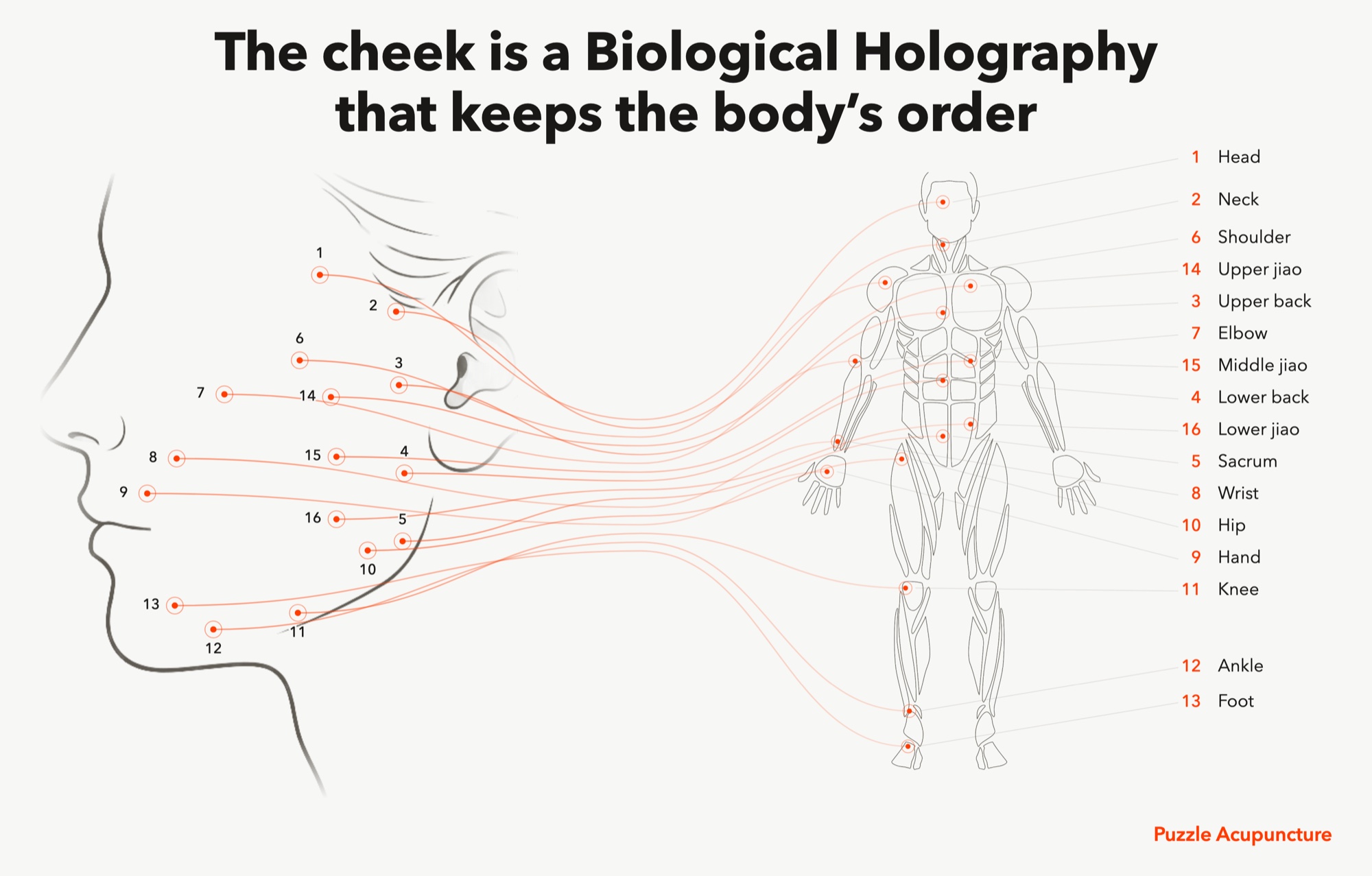
Cheek acupuncture uses a standardised map of shallow points on the face for pain elsewhere in the body. It is different from cosmetic facial acupuncture. I hold the Level 3 certificate and explain the point choice and sensations before treatment.
After birth, I use cheek acupuncture for pelvic or pubic pain while keeping needles away from the belly. In a 2026 trial of postpartum pubic symphysis separation, the median movement-pain score at one week was 4 out of 10 with cheek acupuncture plus a pelvic belt, versus 7 with the belt alone. Participants knew which treatment they received.
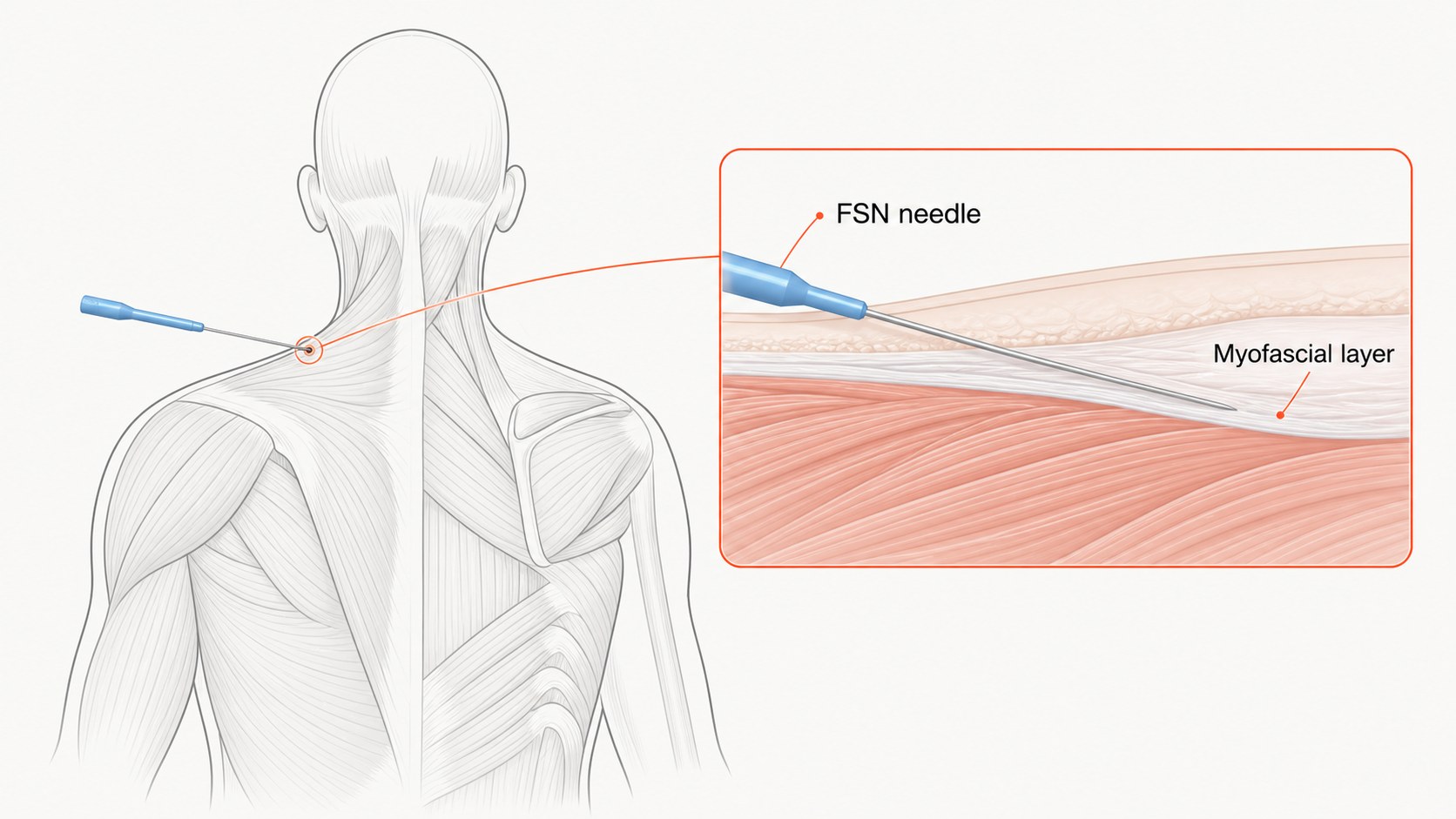
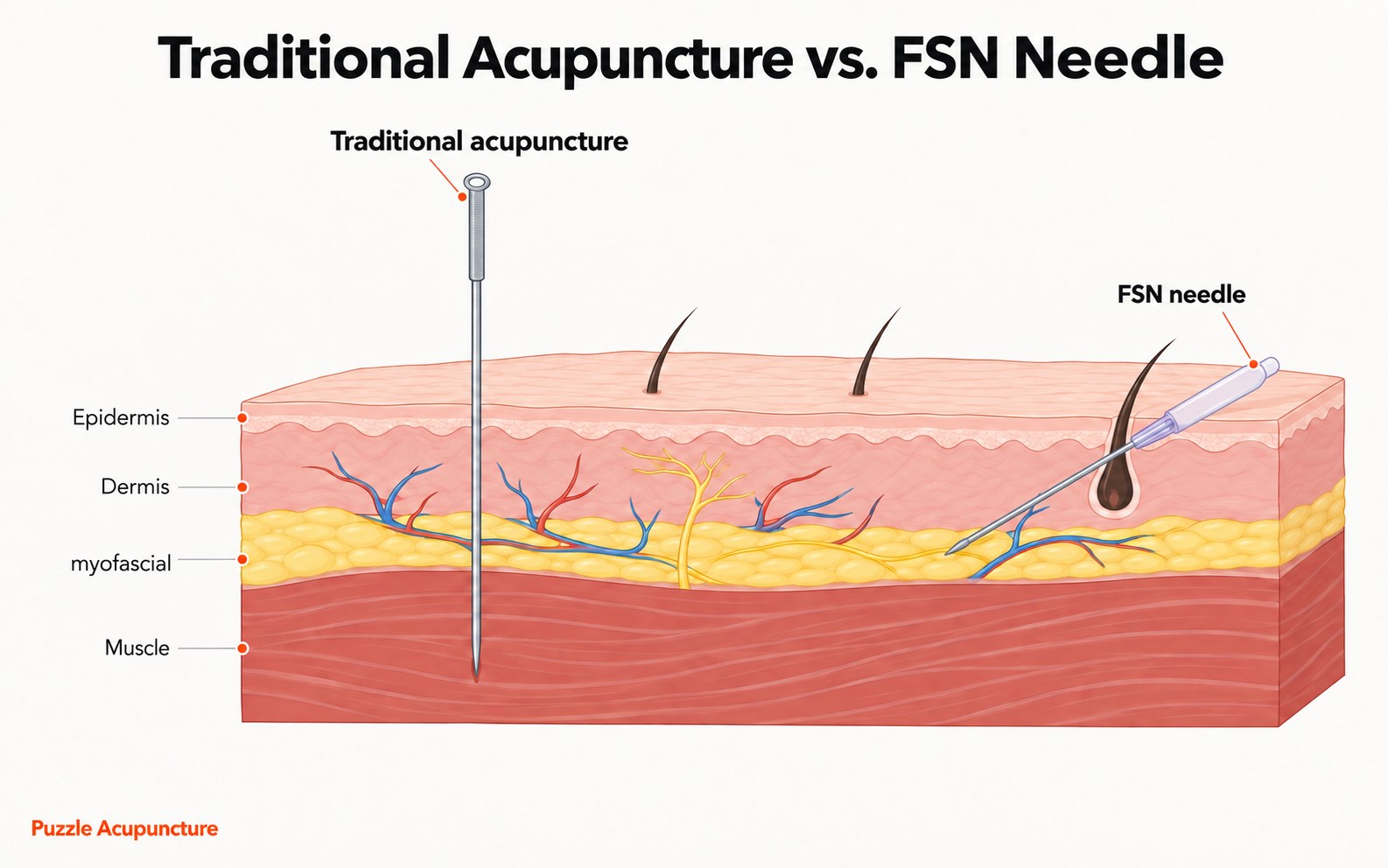
FSN is Fu's Subcutaneous Needling. The needle goes in at a shallow angle and stays in the loose layer under the skin, above the muscle. I sweep it gently side to side while guiding you through specific movements, then re-test pain and range of motion. I hold the FSN certificate.
Whether I use it during pregnancy or after birth depends on the assessment, your obstetric care and which positions are comfortable.
Less than people expect. The needles are about the width of a human hair, and I use fewer of them than most practices. Most people describe a dull heaviness at the point rather than pain. New mothers usually fall asleep on the table, and I let them.
Treatment needs to be adapted to your stage of pregnancy and medical history. Tell me your due date and anything your OB or midwife has flagged. We discuss positioning, point selection and whether acupuncture is appropriate; if a symptom needs your obstetric team first, I will send you there.
Timing depends on your symptoms and recovery. Difficulty passing urine needs urgent maternity-team assessment first, not an acupuncture appointment. For feeding, pelvic-floor symptoms or mood, we coordinate with your obstetric, lactation or mental-health care. You do not need to wait for a six-week check to report a problem. I offer postpartum home visits within San Francisco at $420 a session when appropriate after assessment.
Yes. Tell me you are breastfeeding and bring a list of your medication and supplements. Any herbal prescription needs an ingredient-by-ingredient review for breastfeeding; herbs are not automatically suitable because they are natural. Bring the baby if you need to.
Yes, unless the person who prescribed it says otherwise. That includes an antidepressant and anything your OB or midwife has prescribed. I do not adjust prescriptions and nothing here is a reason to stop one. If reducing a medication is the goal, that is a conversation with your prescriber, and I am glad to write to them with what I am seeing.
Fewer than you are imagining: a handful when we use needles. Some early postpartum care uses heat on points instead. I explain the approach and where any needles would go before we start. If needles worry you, say so.
The first consult is free. A new patient visit is $255 for 75 minutes and follow-ups are $205 for 60 minutes. Current rates are on the pricing page.
The consult is free. We go through your history, what you are taking, and whether acupuncture is a reasonable thing to add. If it isn't, I will tell you.