Trouble falling asleep, repeated waking and exhaustion in the morning need a closer look. We review your sleep and daytime symptoms, then decide whether acupuncture is a useful addition to your care.
Trained and practised in BeijingFewer needlesModern acupuncture
Dr Deb Ma, PhD, LAc, OMD · 1640 Valencia St, San Francisco
17 years, most of them in BeijingPhD from Beijing University of Chinese Medicine, then clinical practice at Beijing United Family Hospital.
Integrated practiceTen of those years working across departments with neurologists, OB/GYNs and psychologists on the same patients.
Fewer needlesPoint selection is deliberate and minimal. Most patients are surprised how little is used.
When you wake matters, but the hour does not diagnose the cause
I ask how long it takes to fall asleep, how often you wake and how you function the next day. Pain, stress, hot flashes, medications and another sleep disorder can all change the plan.
Start with the part of sleep that is difficult
Choose a description to see what we would discuss at the first visit.
Choose a description above.
Trouble falling asleep
We review your bedtime, caffeine, evening meals, worry and physical discomfort. In Chinese medicine, feeling hot and agitated is treated differently from feeling exhausted but unable to settle.
Waking during the night
Tell me what wakes you and how long you stay awake. Pain, night sweats, bathroom trips and waking with a racing heart are useful details. Waking at 3 am alone does not identify a liver or other organ problem.
Waking too early
We look at when this started, your usual sleep schedule, mood and any changes around menopause or medication. The time on the clock is one clue within that history.
Unrefreshing sleep
Hours asleep do not tell the whole story. Tell me about daytime sleepiness, snoring or waking gasping, as those may call for a sleep-medicine assessment. I also ask about fatigue, appetite and digestion when choosing acupuncture treatment.
Traditional terms such as yin deficiency or heart and spleen deficiency describe patterns of symptoms used to choose treatment. They are not diagnoses of disease in those organs.
We agree on a treatment course and track sleep at home
The first visit includes your daytime symptoms
We review your sleep history, work schedule, stress, digestion, menstrual changes and medication. I examine the tongue and pulse as part of the Chinese medicine assessment, and check for neck, shoulder or abdominal tension. A sleep diary and how you feel during the day help us judge progress.
Acupuncture is an option to discuss alongside CBT-I
A 2026 international guideline conditionally recommends manual or electroacupuncture for chronic insomnia, based on evidence of moderate to low certainty. Its suggested protocol is three visits a week for at least four weeks. That is a research-informed starting point, not a guarantee of response.
CBT-I remains the most strongly recommended treatment for chronic insomnia. Acupuncture can be considered alongside it, particularly if symptoms persist or access is difficult. NCCIH's sleep treatment overview.
Six weeks is a useful reassessment point, not a promise
A 2026 trial of 201 adults compared four, six and eight weeks of acupuncture, given three times a week. Six weeks improved insomnia severity more than four; eight weeks added little over six. All groups received acupuncture, so this study addresses course length rather than benefit over placebo.
2.7 pointsThe adjusted advantage of six weeks over four on the Insomnia Severity Index in that trial. We review your own sleep diary and daytime function rather than assuming the same result.
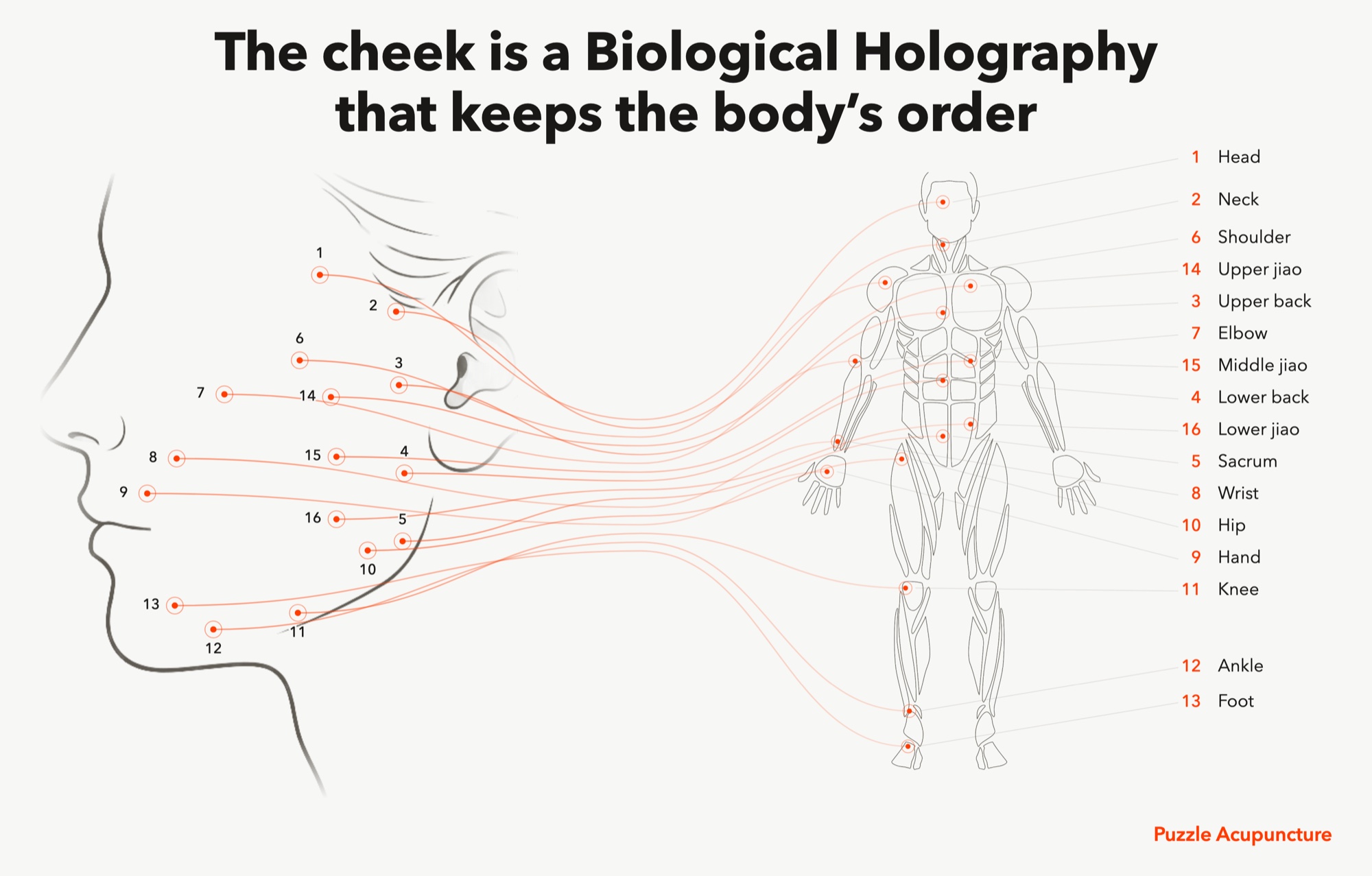
Cheek acupuncture is one option for accompanying tension
A standardised map of points on each cheek, needled shallowly, a few at a time, to treat pain elsewhere in the body. It is not cosmetic facial acupuncture. Most describe it as lighter than ordinary needling, because the needles are shallow and few.
I hold the Level 3 certificate. Evidence about pain relief does not establish that cheek acupuncture treats insomnia.
The points sit along the cheekbone and the jaw. I use it when the neck and jaw are the loud part of the picture.
FSN needling addresses muscle tension that may disturb sleep
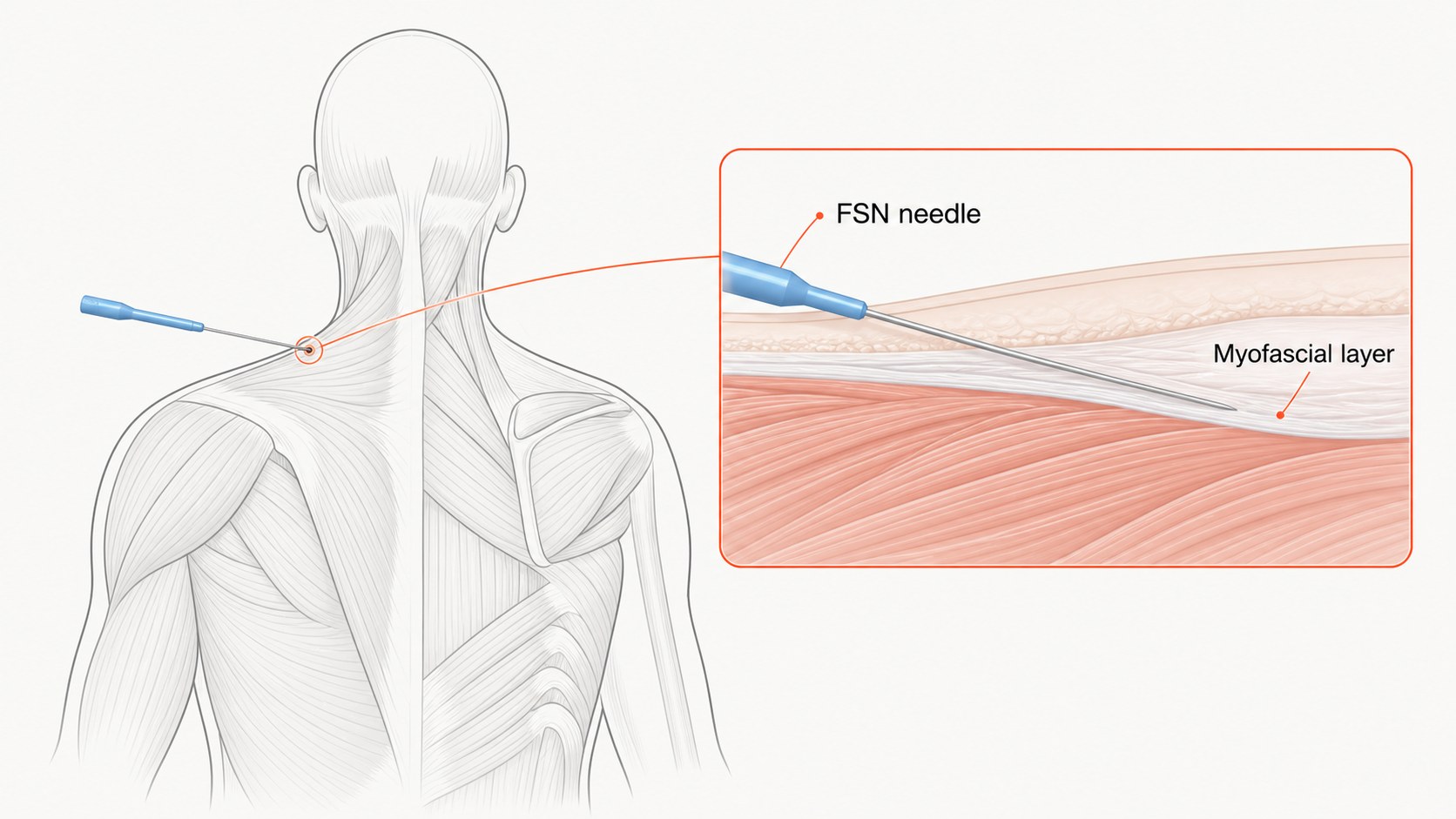
FSN needling can release a much larger area of tension.
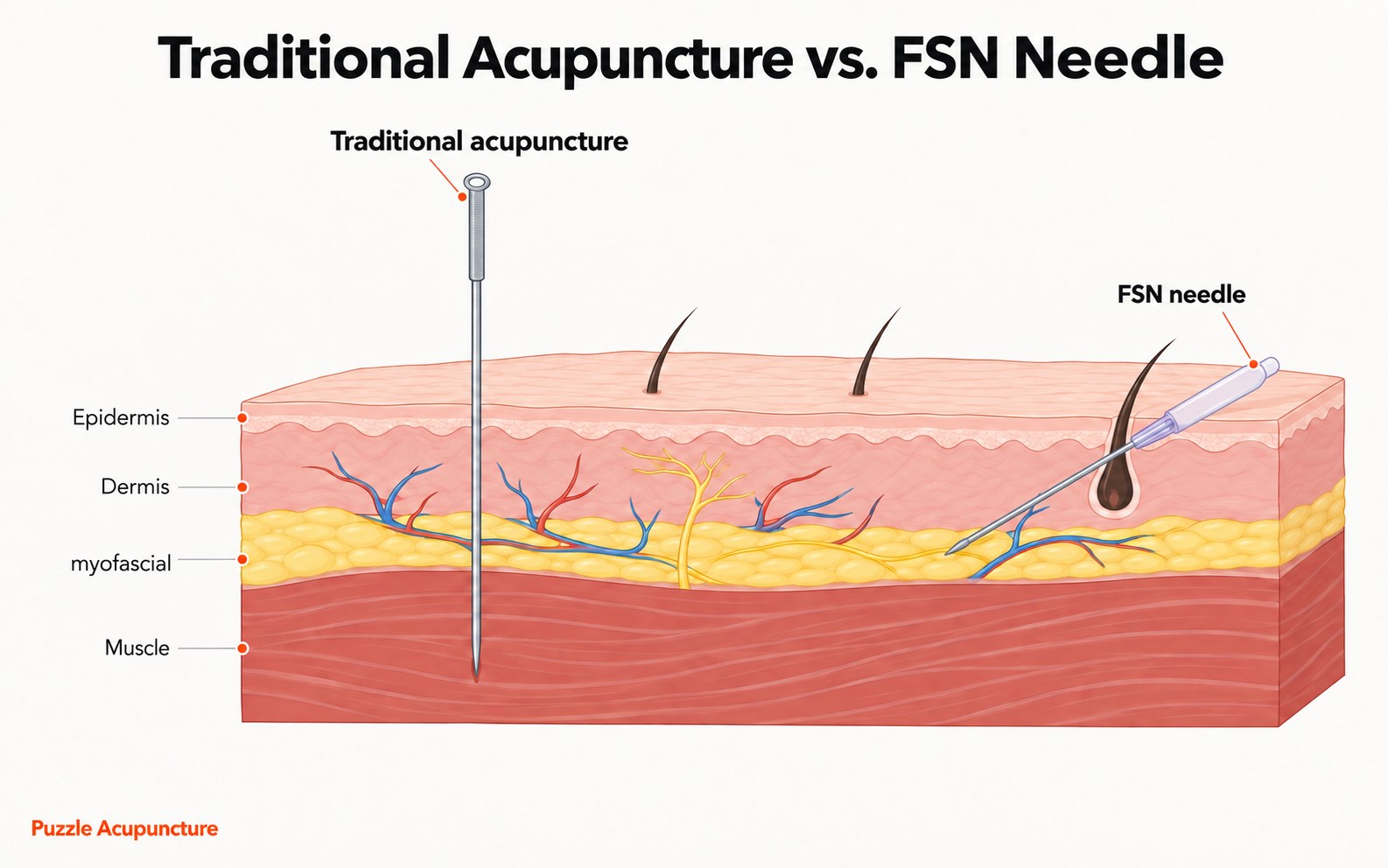
FSN is Fu's Subcutaneous Needling, developed in China in the mid-1990s. The needle goes in at a shallow angle and stays in the loose layer under the skin, above the muscle. I sweep it gently side to side while guiding you through specific movements, and reassess movement. I hold the FSN certificate.
I use it for a tight neck, shoulder or other painful muscle area, then re-test movement during the visit.
A change in muscle tension is a separate outcome from better sleep. We track both when pain is part of the problem.
For chronic insomnia, cognitive behavioural therapy for insomnia (CBT-I) is the first treatment to consider. Medication and complementary treatment need their own discussion of benefits and risks.
CBT-I
Sleep medication
Chinese herbs
What it involves
A structured programme that changes habits and thoughts that keep insomnia going.
A prescription selected for your symptoms, health history and other medicines.
An individual formula selected after reviewing your symptoms and medications.
What to expect
Skills practised over several weeks, with benefits that can continue after treatment.
Timing and duration vary by drug. Review the plan with your prescriber.
Evidence varies by formula. A traditional use is not a guarantee that it will improve sleep.
What to discuss
Access to a trained clinician or a suitable digital programme.
Next-day effects, interactions and, for some drugs, dependence and withdrawal.
Side effects, interactions and product quality. Herbs are not automatically safe because they are natural.
Melatonin is different again: it helps with sleep timing in some conditions, such as jet lag, but is not an established treatment for chronic insomnia. Bring every sleep aid you take to the consultation. NCCIH on melatonin.
A sleep formula is written to the pattern, not to one herb or symptom
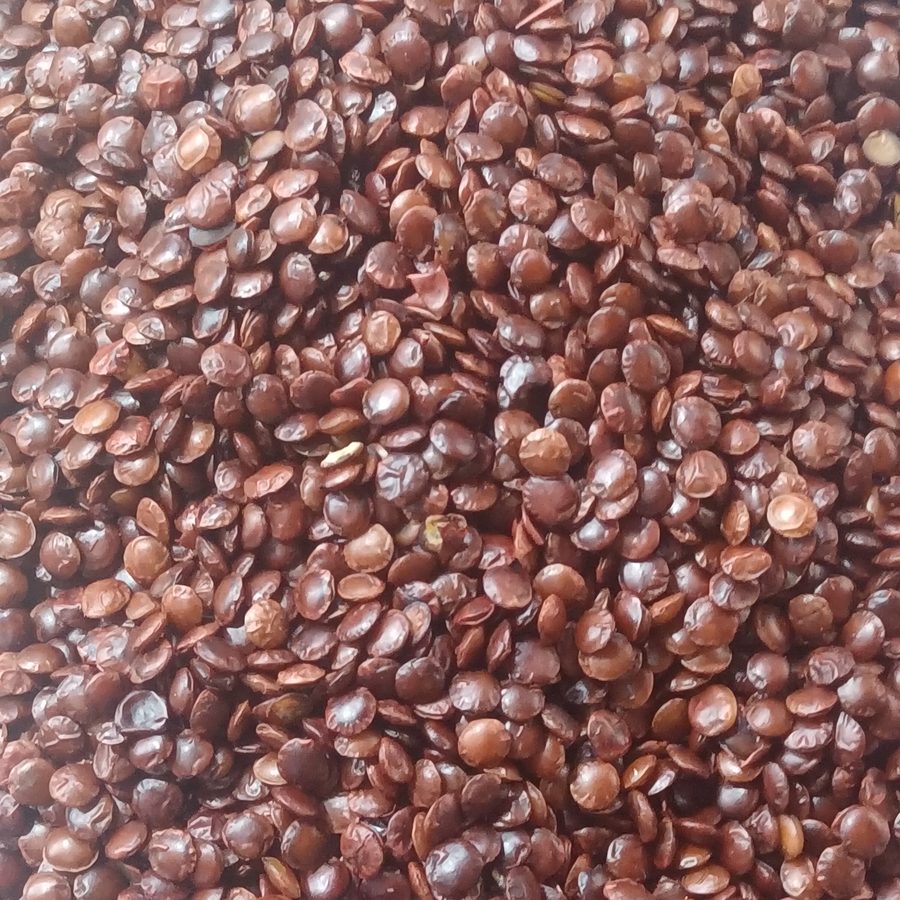
Suān zǎo rénsour jujube seed
Traditionally used in formulas for restless sleep.
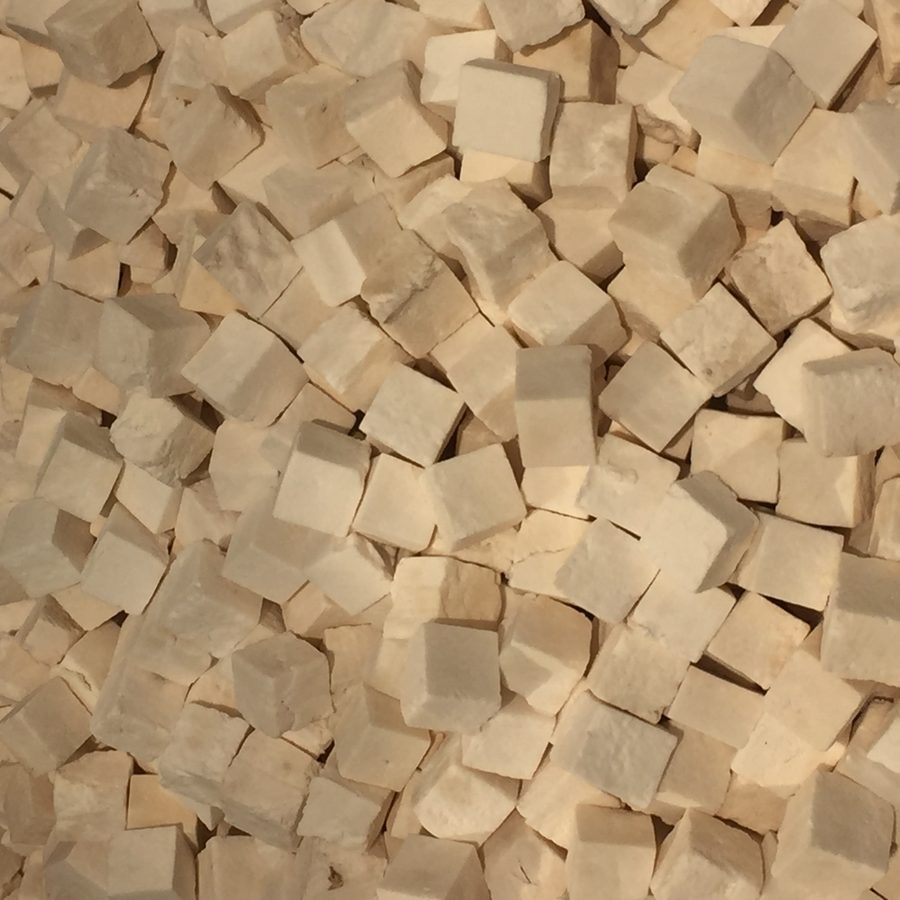
Fú língporia
A fungus used in traditional formulas when digestive symptoms accompany poor sleep.
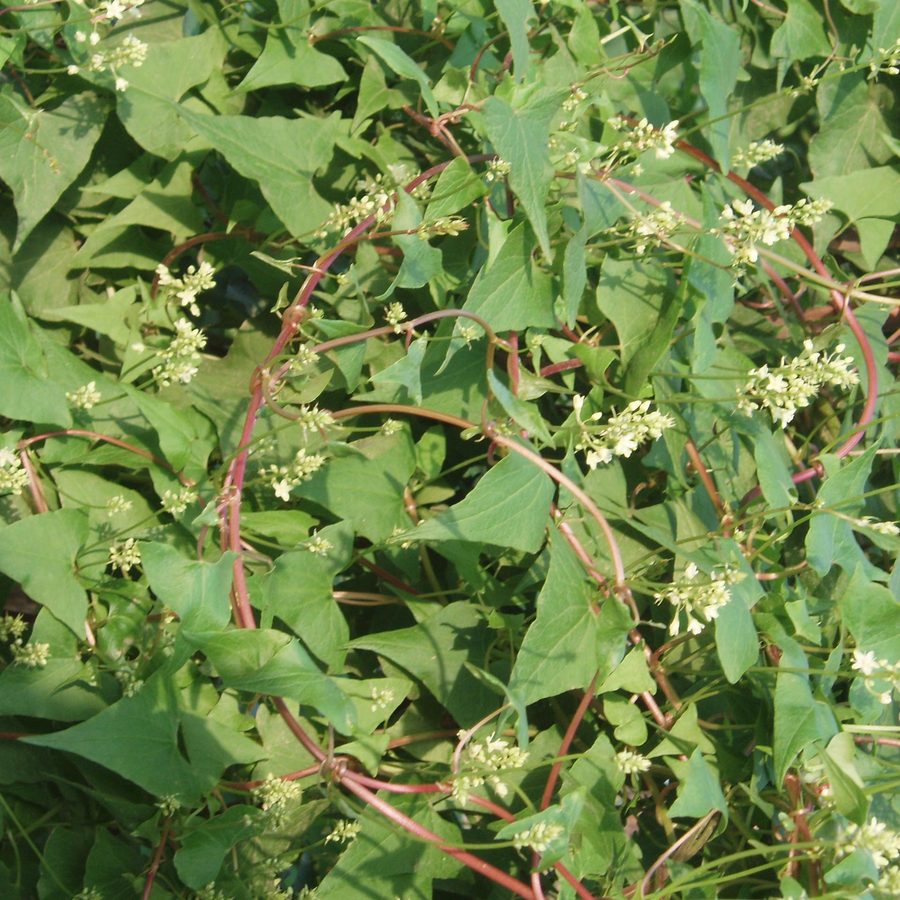
Yè jiāo téngtuber fleeceflower vine
Traditionally included in formulas for restlessness.
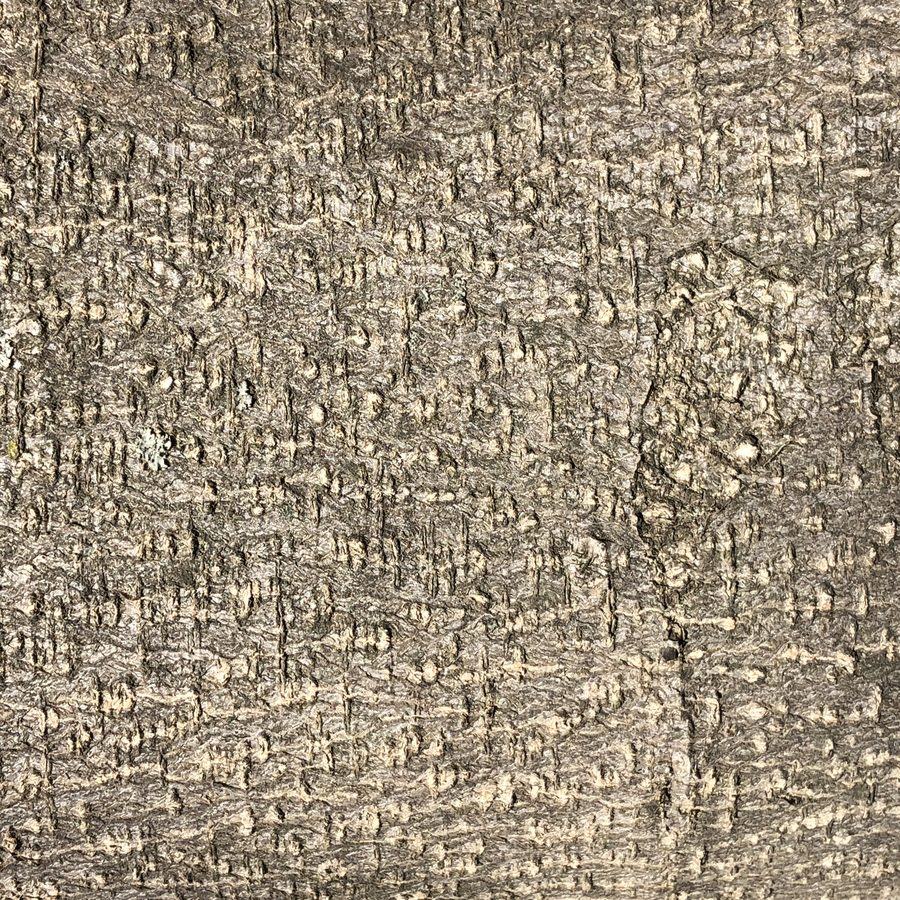
Hé huān písilk tree bark
Traditionally used when low mood and disturbed sleep occur together.
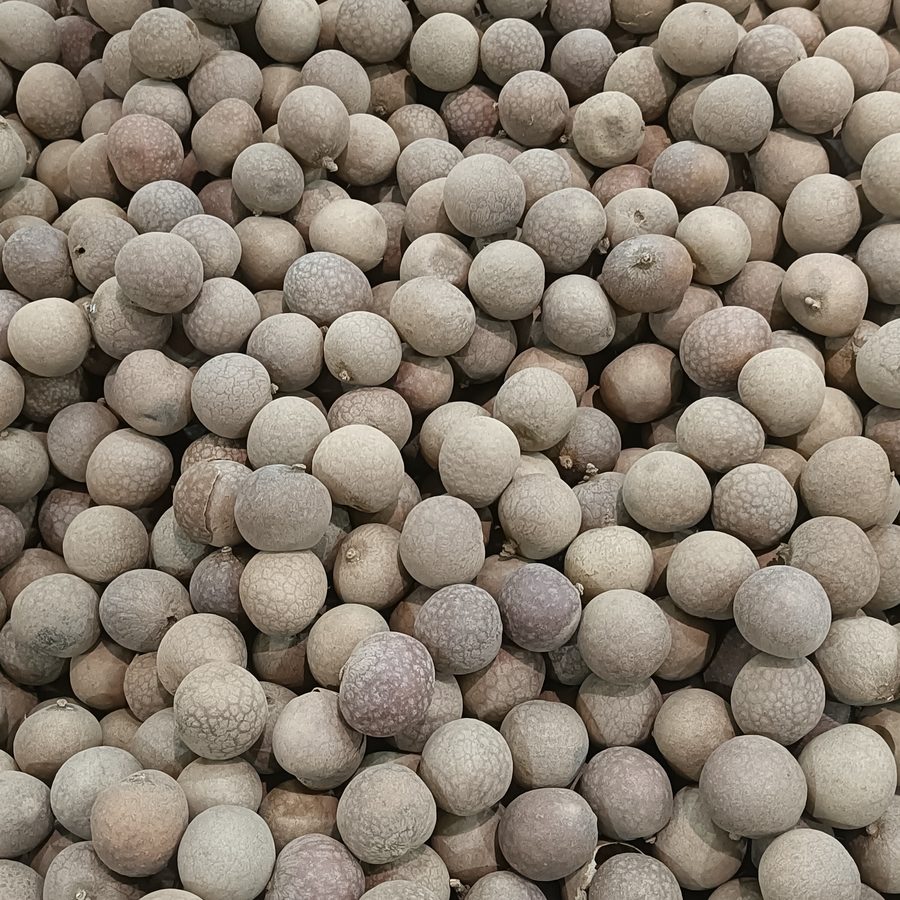
Guì yuánlongan
A fruit used in traditional formulas for fatigue and light sleep.
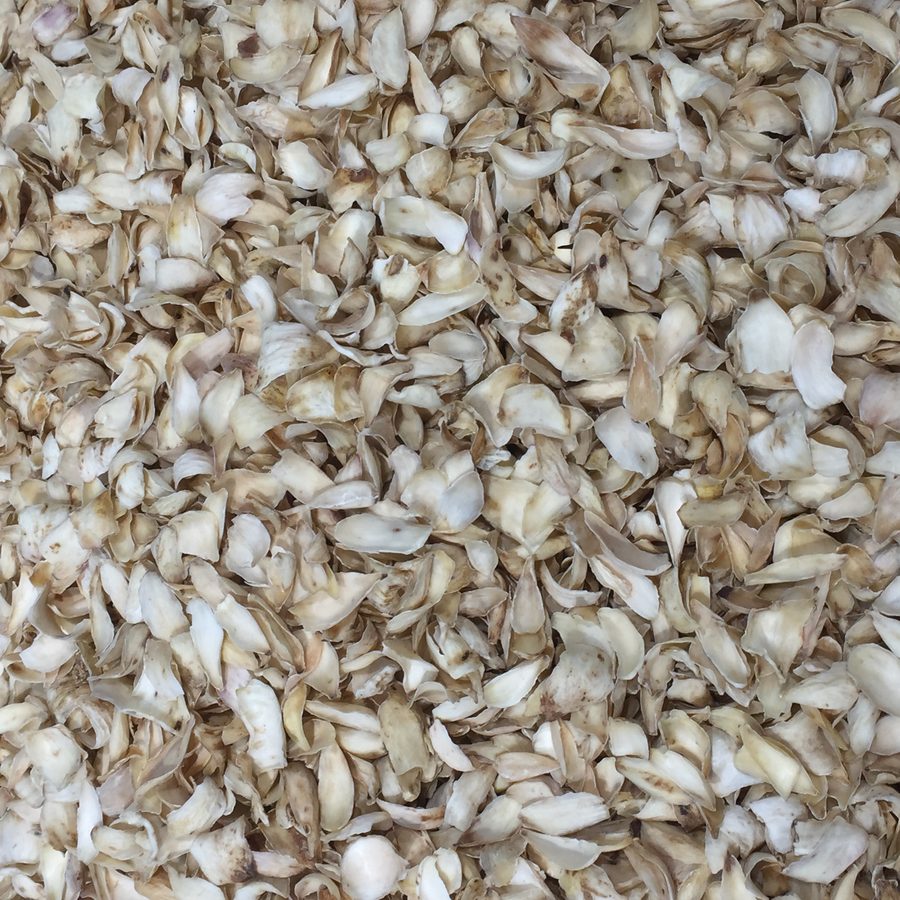
Bǎi hélily bulb
Traditionally used for restlessness with dryness.
Photographs: Fumikas Sagisavas (CC BY 2.0), Taken by Fanghong (CC BY-SA 3.0), Famartin (CC BY-SA 4.0), via Wikimedia Commons. Each is a round crop from the source photograph.
These are examples of traditional uses, not a shopping list or proof that each herb treats insomnia. Formula selection includes a medication and safety review.
Frequently Asked Questions
Does it hurt?
Less than people expect. The needles are about the width of a human hair, and I use fewer of them than most practices. Most people describe a dull heaviness at the point rather than pain, and a fair number fall asleep on the table.
How many sessions before I sleep better?
Expect to assess sleep over several weeks. We agree on visit frequency at the consultation and review your response along the way. Feeling more relaxed on the table is useful, but it is not the same as sustained improvement at night.
We track it against a sleep diary rather than against how you feel on the day, and the six-week mark is where we reassess.
I wake at 3 am every night. Is that insomnia?
Waking briefly can be normal. What matters is whether you struggle to get back to sleep, how often it happens and how it affects your day. The hour alone does not diagnose insomnia or identify an organ problem. Bring that pattern to the consultation.
Should I do CBT-I or acupuncture?
Start by discussing CBT-I, the first-line treatment for chronic insomnia. Acupuncture can be considered alongside it or when symptoms persist, with the more limited evidence in mind. I can help you look for a CBT-I programme while we decide whether acupuncture has a role.
Do I keep taking my sleeping pills?
Yes, unless your prescriber advises a change. If reducing medication is a goal, that plan stays with them. I can share your sleep progress, but acupuncture is not a reason to stop or reduce a prescription on your own.
How many needles?
Fewer than you are imagining. Point selection is deliberate and minimal, and most people are surprised how little is used. Where the rest go depends on what the exam finds rather than on the word insomnia, and I talk you through it before anything happens. If needles worry you, say so and we can discuss a gentler approach or ear seeds, which use no needles.
What does it cost?
The first consult is free. A new patient visit is $255 for 75 minutes and follow-ups are $205 for 60 minutes. Current rates are on the pricing page.
Tell me which part of the night fails
The consult is free. We go through your history, what you are taking, and whether acupuncture is a reasonable thing to add. If it isn't, I will tell you.


_bark_along_Old_Ox_Road_in_the_Dulles_section_of_Sterling,_Loudoun_County,_Virginia.jpg)