A lot of people don't know the history of how acupuncture became legal in California. It was not an easy path.
Practitioners risked arrest for treating patients. They organized, raised money and fought for the right to practice. Even after legalization, they had to argue that their work required medical knowledge and independent clinical judgment.
That struggle helps explain why I want to talk about discrimination against Chinese medicine today. A practitioner can arrive with years of education and hospital experience, yet find that the word “acupuncturist” tells people very little about what they know. Chinese medicine gets reduced to acupuncture, and acupuncture to pain relief.
Legal recognition was a beginning. Being understood is still unfinished work.
When treating patients could lead to arrest
In 1974, Miriam Lee was arrested for practicing medicine without a license. She had been treating patients in California while working at Hewlett-Packard. Patients came to court to support her and defend their access to treatment.
AACMA's documentary Acupuncture Fever: The Road to Acupuncture Legalization in California recounts her story alongside those of practitioners who worked quietly from their homes, relying on friends, relatives and word of mouth. Their training had crossed the Pacific. A recognized place in California's medical system had not.
The legal opening was narrow. In 1972, California authorized acupuncture under physician supervision within medical-school research. Someone could know how to practice acupuncture and still have no legal route to an independent clinic. The California Acupuncture Board's history records that restriction.
AACMA, The Crackdown. Miriam Lee's story begins at 7:44.
Who got to decide what counted as medicine?
Chinese medicine had been part of California communities since the Gold Rush. Herb shops offered care long before acupuncture attracted national attention in the 1970s. Those practitioners also lived through anti-Chinese hostility and exclusion. The Chinese Exclusion Act of 1882 restricted Chinese labor immigration and barred Chinese immigrants from naturalization.
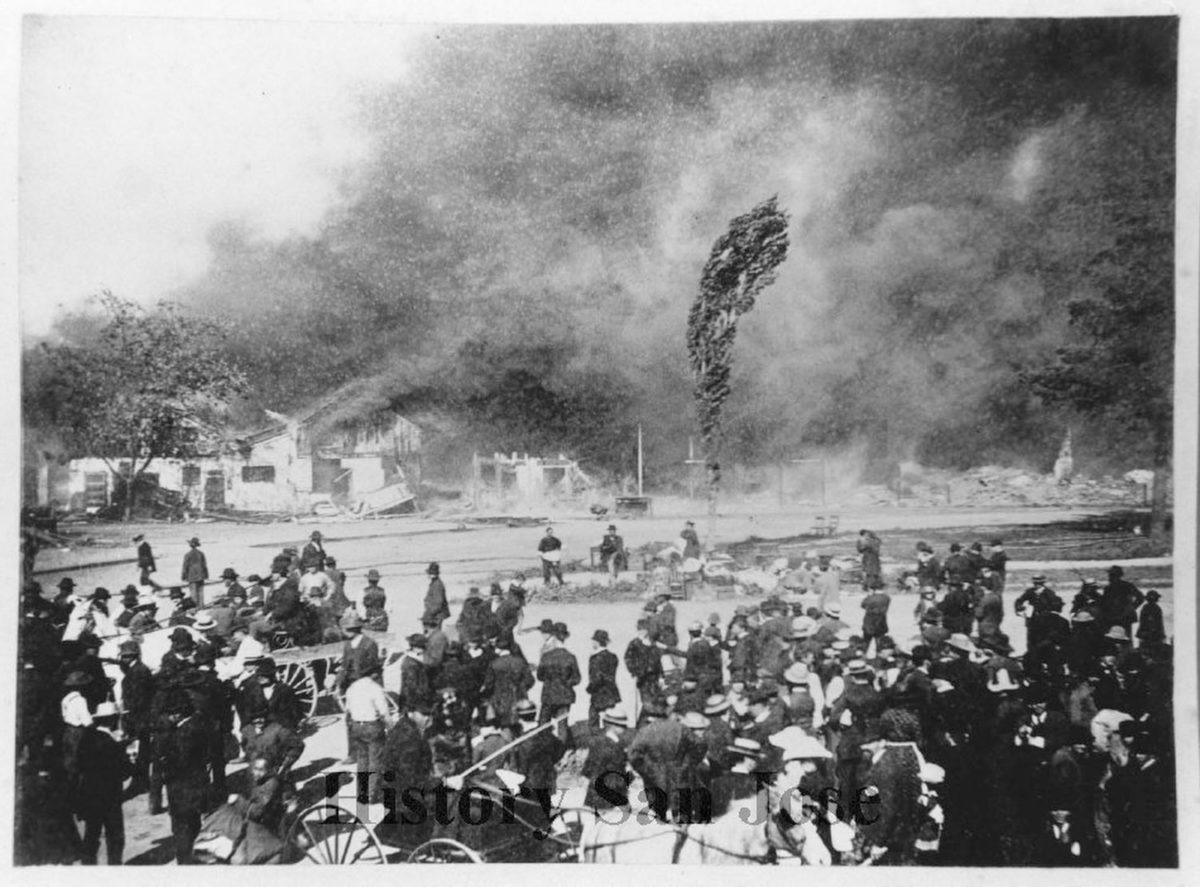
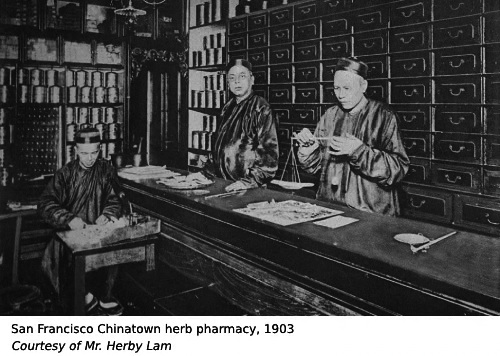
Racial prejudice also entered the struggle over medical authority. Historian Tamara Venit Shelton's Herbs and Roots examines how Western physicians used racialized portrayals of Chinese practitioners to strengthen their own claims to professional legitimacy. Judgments about a medical tradition became entangled with judgments about the people who practiced it.
That is why this history matters. Chinese practitioners were trying to establish credibility in a society that had already marked them as outsiders.
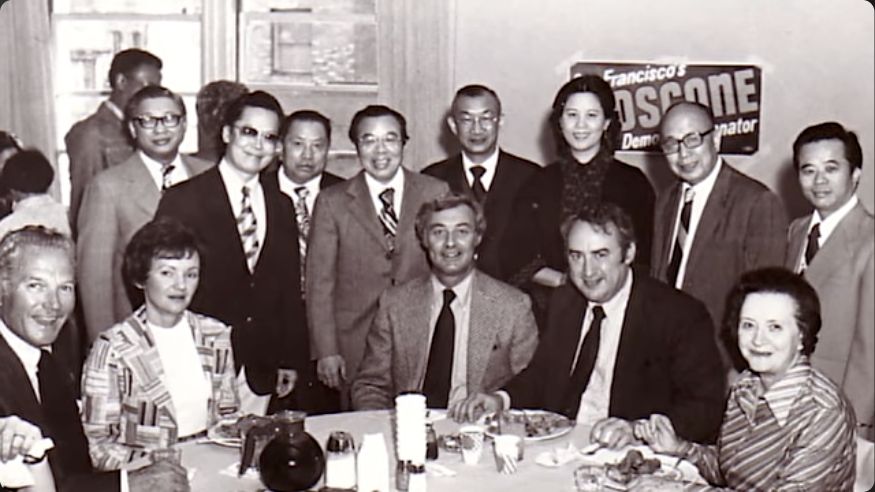
The response took collective work. In 1974, practitioners formed the California Chinese Medicine and Acupuncture Research Association. As the documentary recounts, some feared that joining would make them easier to prosecute. They organized anyway, raised funds and built relationships with lawmakers, including Senator George Moscone.
In 1975, Governor Jerry Brown signed Senate Bill 86. California began licensing acupuncturists in 1976. But treatment still required a prior diagnosis or referral from a physician, chiropractor or dentist. The state removed that requirement in 1978.
The right to practice and the right to exercise independent judgment had to be won separately.
Local test booking. No email is sent.
15-minute Strategy Session
Not sure acupuncture is right for you?
What’s included
- Discuss your health concerns and goals
- Address any questions before committing to your first appointment
- We'll determine the best approach
“She's the first doctor that made me feel human and not like just another nameless number.”
GC, on Zocdoc
Next available
Loading available times…
Pacific time. No payment is taken online.
See other times
Pick a time
Times in Pacific time (San Francisco).
A license did not end the fight for respect
Decades later, the same question surfaced in a different form: how much knowledge did an acupuncturist's work require?
In the documentary, Judy Chu recalls working to raise acupuncture training standards. Some legislators regarded practitioners as:
“just being technicians, not as skilled medical professionals.”
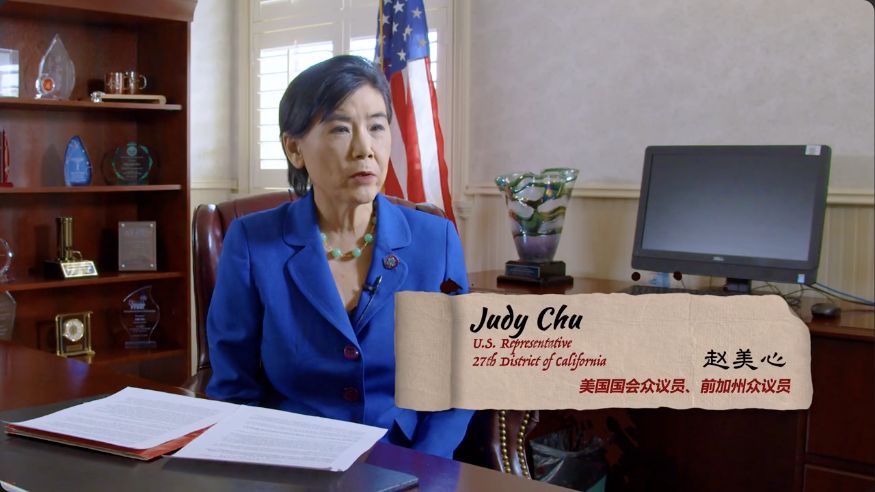
Practitioners traveled to hearings, testified and met lawmakers. Legislation signed in 2002 raised California's training requirement to 3,000 hours; the implementing regulations took effect in 2005. They had to organize to make the case for more education.
The distinction between a technician and a clinician is consequential. A technician is understood as carrying out a procedure. A clinician is expected to assess a patient, weigh options and decide how to proceed. Being seen only as the person who inserts needles leaves much of that work invisible.
Pay is a measure of professional status
Pay is one of the clearest measures of how society values a profession. A study of US occupations from 1950 to 2000 found evidence that increasing female representation was followed by lower relative pay, supporting the idea that women's work is devalued. In research on racial wage inequality, sociologist Matt Huffman found a pay penalty associated with jobs with larger shares of Black workers, after accounting for other measured characteristics. These findings show how gender and racial hierarchies can be reflected in what work is paid.
For me, acupuncture's pay gap raises that same question of whose expertise is valued, against a history of exclusion of Chinese practitioners. Economic recognition belongs in this story too.
Acupuncturists earn about one-third
as much as physicians.
Mean annual employee pay · United States · May 2025
Public awareness: Chinese medicine is wider than pain relief
There is also a gap in public education. People need opportunities to understand what Chinese medicine includes, how its practitioners are trained and how it fits into their care.
Most American adults who used acupuncture in the 2022 National Health Interview Survey used it for pain. In our comparison of US acupuncture searches over the past year, pain led every other condition by a wide margin.
In the US, Chinese medicine is reduced to acupuncture, and acupuncture to pain relief
Google Trends · share of selected search interest (%) · US
73% of US adult acupuncture users used it for pain.
National Health Interview Survey, 2022
Percentages normalize the selected terms’ index scores to 100%; not all acupuncture searches.
National patient survey: NCCIH / NHIS 2022.
Other: tinnitus, infertility, constipation, allergy, menopause, and digestion.
Chinese medicine in China's primary care covers far more. In Shenzhen community health centres in the first half of 2021, respiratory conditions were the largest group, followed by muscle and joint problems, gynaecological, cardiovascular and digestive problems.
In China, Chinese medicine
is ordinary primary care.
Source: Chinese General Practice, 26(25), 2023.
Family-doctor-contracted residents; study-defined TCM diagnosis groups.
Read the full China-versus-US practitioner comparison.
Yet Chinese medicine encompasses a wider body of knowledge and practice. Even California's licensed scope includes herbal medicine, nutrition, exercise, massage, cupping and moxibustion alongside acupuncture.
I studied Chinese medicine in Beijing and California and have practiced in both settings. At Beijing United Family Hospital, I worked with colleagues in neurology, orthopaedics, obstetrics and paediatrics. Referring a patient meant talking with a colleague down the hall. That setting gave Chinese medicine a visible place within a larger medical team.
In that comparison, I describe how education, hospital experience and opportunities for collaboration differ. Moving countries can mean moving into a much narrower professional role, even though the practitioner's knowledge comes with them.
When people see only a pain treatment, they may never learn about the practitioner's broader training. Better public education means explaining what we study, how we assess a patient and how we collaborate with other clinicians. Making that knowledge visible is part of our work.
Why I speak up
I was born in the US, trained in both China and the US, and have practiced in both countries. My patients come from many backgrounds. Many arrive after trying treatment after treatment without relief. I have seen acupuncture and Chinese medicine help them when other approaches had not.
That is why I speak up: for fair recognition of our work, and for better public understanding of Chinese medicine. Drawing on both countries, I want to help widen the conversation about whose knowledge is heard, trusted and valued.